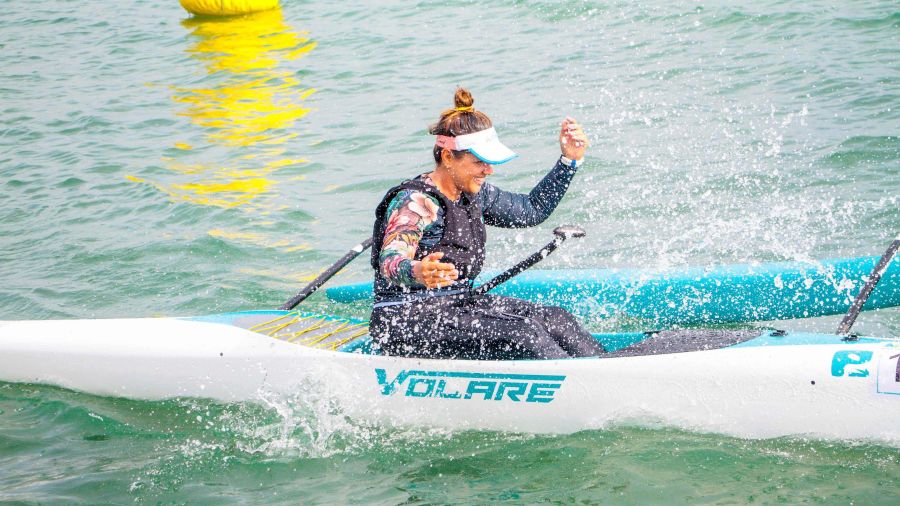
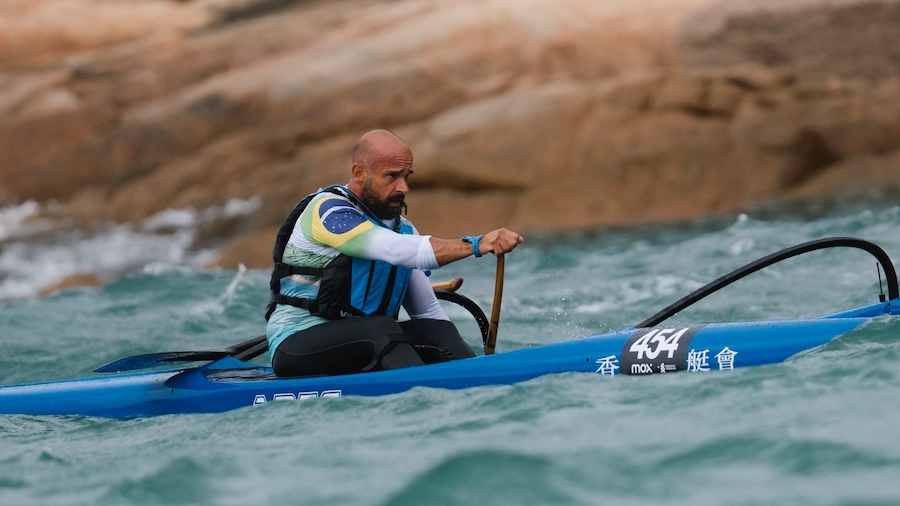
Hello Maria Clara! This is your third time at Molokabra, you’re practically at home here. How was the experience, since this is your second official training day and first day of competition, and you started strong? Tell us about your day and how the race went.
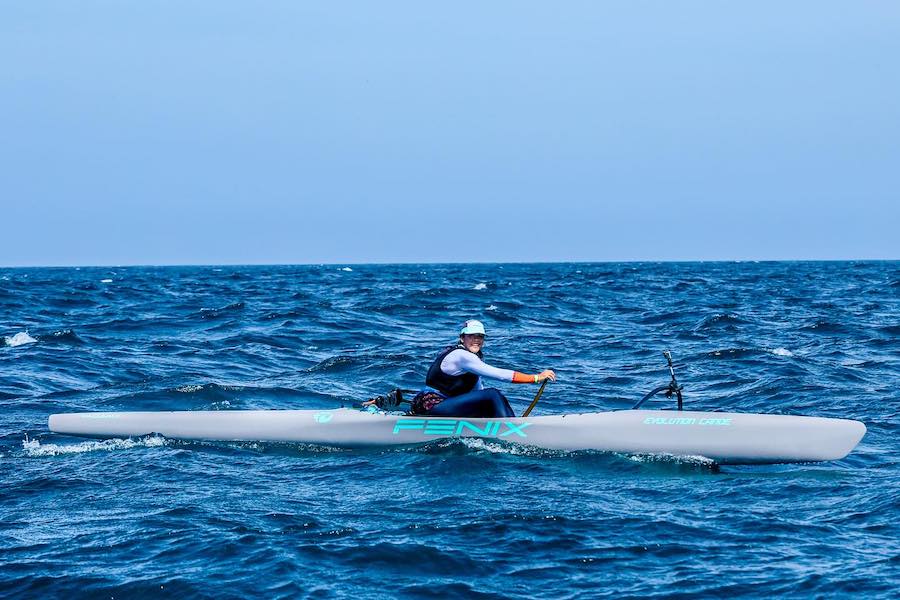
On Saturday we did our first descent in the official training session. The sea was quite big, the wind was strong, the waves were really big, so much so that I hit a top speed of 27.5, which I think was my personal record. And I moved really fast. I finished in 2 hours and 24 minutes, which was 6 minutes under my previous best time.
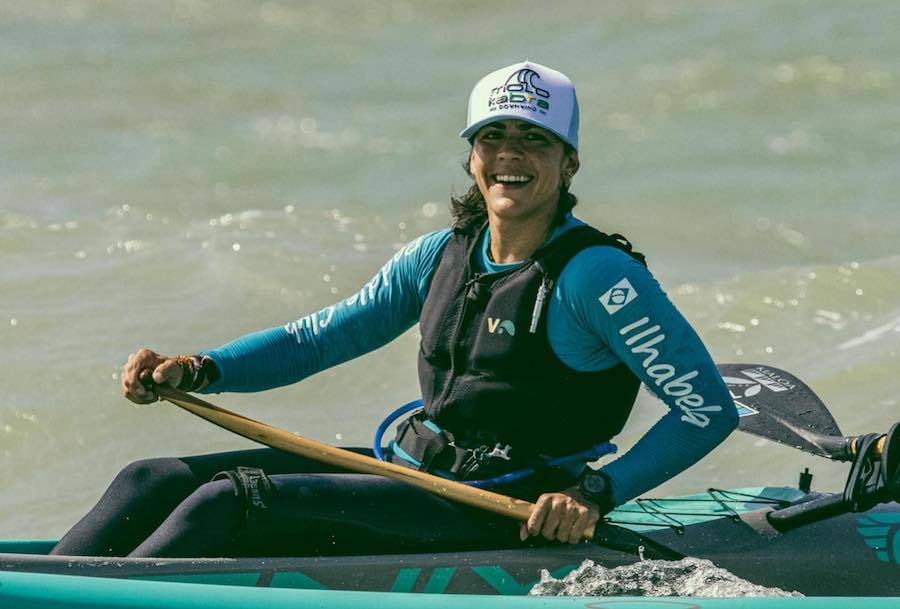
Today’s forecast was a bit smaller, and the conditions were indeed a bit smaller, smaller waves but you still lowered your time. So you managed to connect the waves better. What made the difference in performing better even in smaller conditions?
I closed my line a bit more today, staying a little tighter, so the total distance decreased slightly. I had the sense that the waves were a good size but a bit more closed together. I don’t know exactly what it was like further out, since I didn’t go out wide, but since the wind was a bit calmer, I figured the best strategy was to reduce the distance.
Tell us about the conditions in Ceará you came from Ilhabela recently. You went from the cold there to the conditions Ceará is known for: 30-something degrees, lots of wind. How does that shift affect your performance in races?
Honestly, it’s perfect here Ceará’s climate is perfect. It’s hot, but not unbearably hot, because there’s wind, so the temperature feels very pleasant, the wind is pleasant, everything here is pleasant. In Ilhabela it hasn’t stopped raining for twenty days straight, we were already going a bit stir-crazy from it. Rain is good in one sense, because the conditions we use for downwind training back home come with that kind of weather, right on the change of weather, when it’s windier and colder, that’s when we can train for downwind. But coming here and doing downwind in these conditions is just perfect.
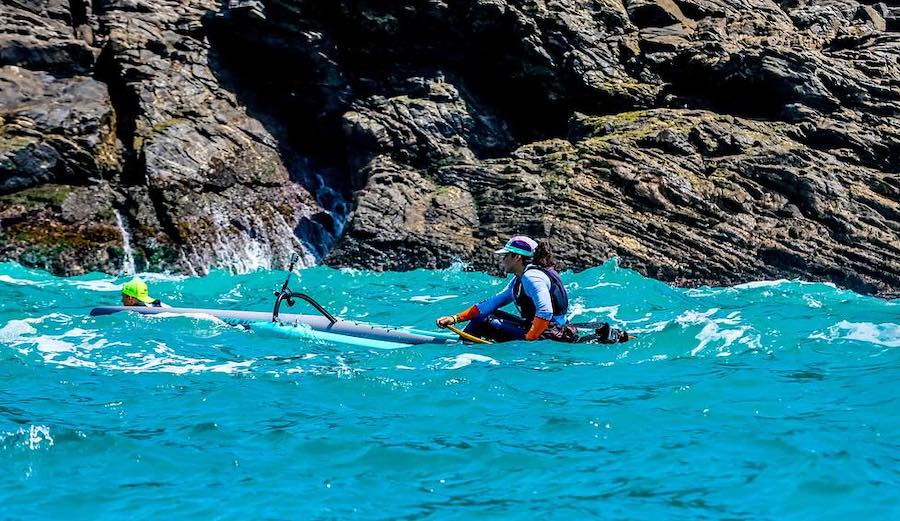
You’re basically at home here, third year running and coming from São Paulo, which is almost an international trip. If it were in Europe, it definitely would be. So what keeps bringing you back to Molocabra?
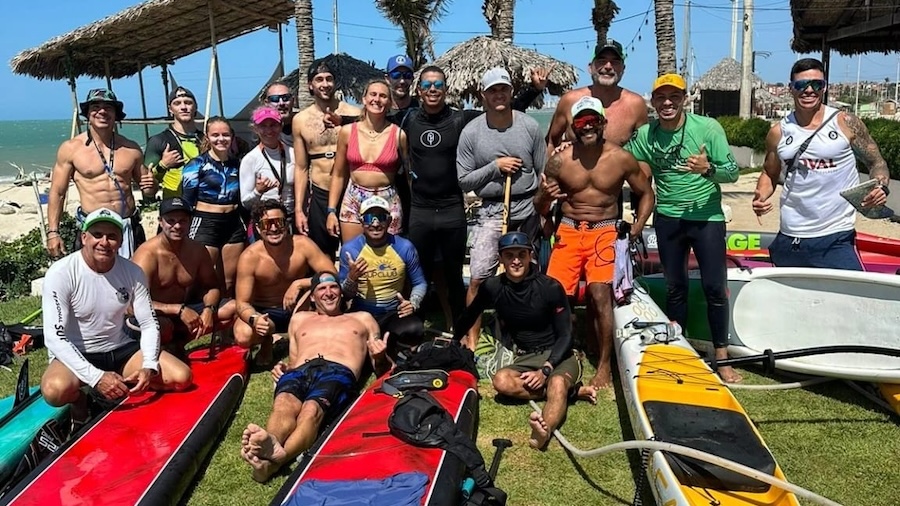
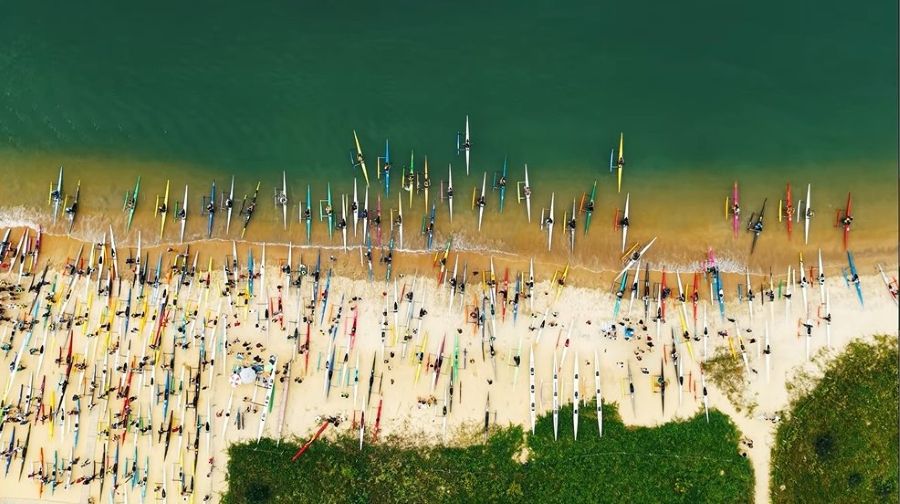
It’s like my annual vacation. I’m not someone who travels a lot, but this is like my amusement park trip. I’m actually from Ceará myself, so we say it’s the amusement park for grown-ups. For me, this competition is really a moment to have fun, to enjoy this time, to enjoy conditions we don’t have back home, to learn, to connect with everyone. This year I think there are around 400 athletes here, so that exchange is really great too, the group is small enough that you’re constantly interacting with everyone.
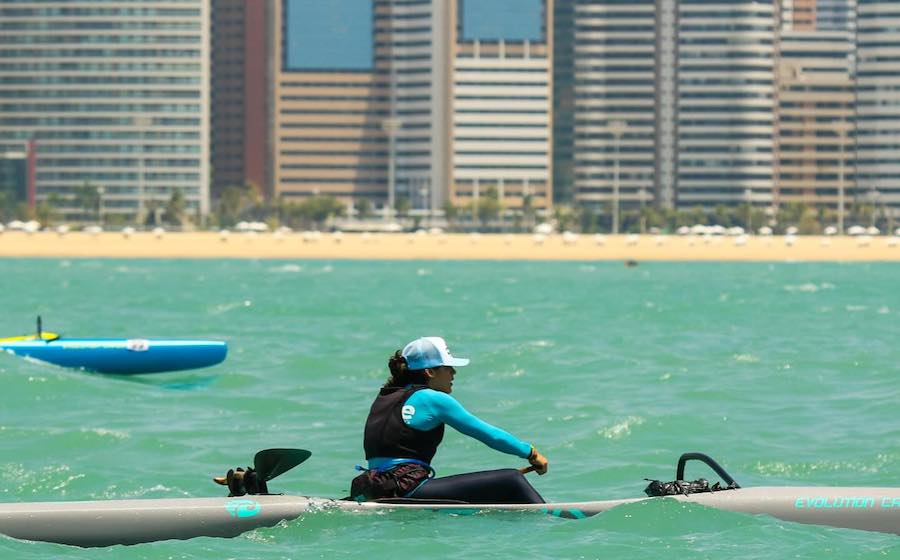
You also mentioned that this year is a record year for women competing in the ocean race. How do you feel about that?
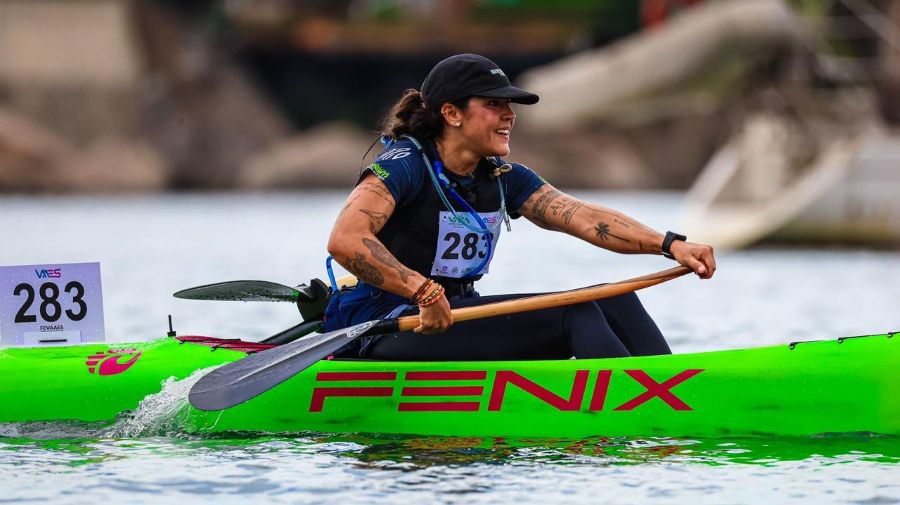
I’m really, really happy about it. In most competitions there’s a big gap between the number of men and women, here it’s still pretty wide too, almost three times more men than women, especially in the canoe/paddle category, but it’s shrinking. It used to be much more skewed. So even if it’s happening slowly, that movement is happening, and women are showing up more and more. That makes me really happy, and I hope that number triples, quadruples, that every year there are more women here. I think we need to spread the message that this sport is absolutely for women too, there’s nothing impossible about it. To anyone who wants to come but is scared: come, throw yourself into it. Every descent is a learning experience, and we’re capable of it. There are a lot of men out there, sure, but you’ve shown through your own results that if you put yourself on a men’s ranking, you’d be among the best. Like last year we also had Ana Matisse, who had an excellent race, she competed and did really well.
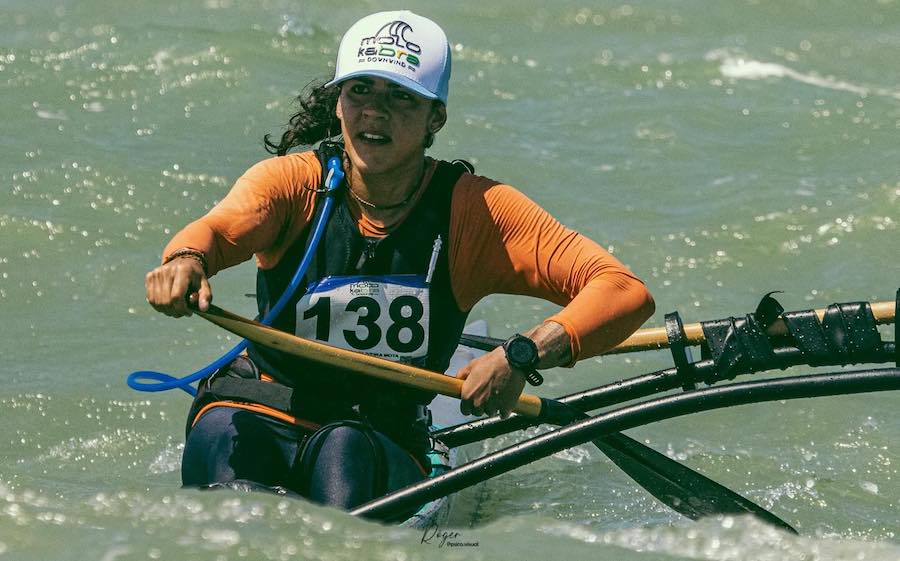
Any words for the women who are afraid or still hesitant to come, what would you say to them?
I think it’s simple you train, you prepare, but what matters most is the love for it. If you love paddling, if you’re happy on the water, and your goal or dream feels complicated, prepare, train, and come, because there’s nothing scary about it. On the contrary, like you said, we have an app on our phones that shares our location, so the organizers always know exactly where we are. With that kind of support system, there’s almost always someone within sight you’re constantly looking back toward the coast, and there are several reference points. It’s funny because on the first day, a lot of people struggled a little in the closeout sections, but even that’s part of it. On your first descent, you kind of bumble around a bit at the reference points, you might paddle a bit further up to get there, but once you’ve learned the landmarks, you build your result, you build confidence, and you have more and more fun with it.
So no need to be afraid, just prepare well, strong and confident. Congratulations again, Maria Clara great race, and I’m sure the next two descents will be even better. Thank you so much for having me talk soon until the finish.