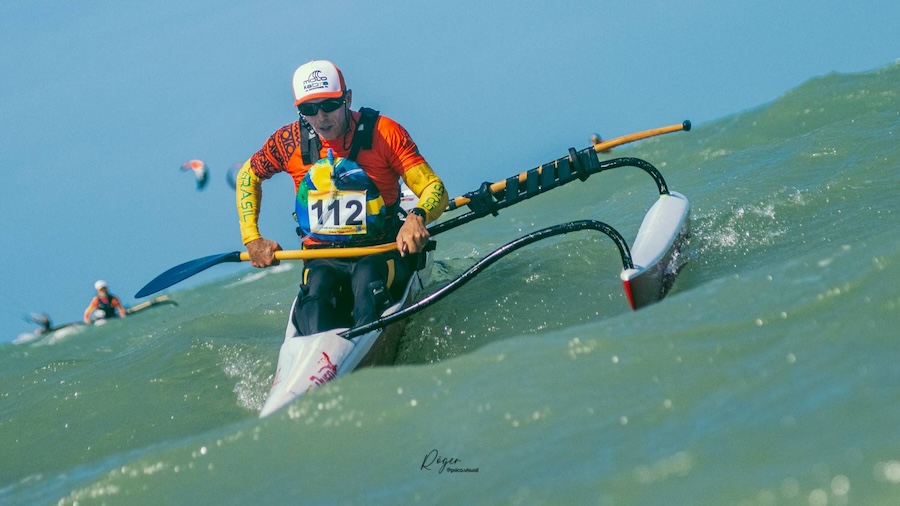
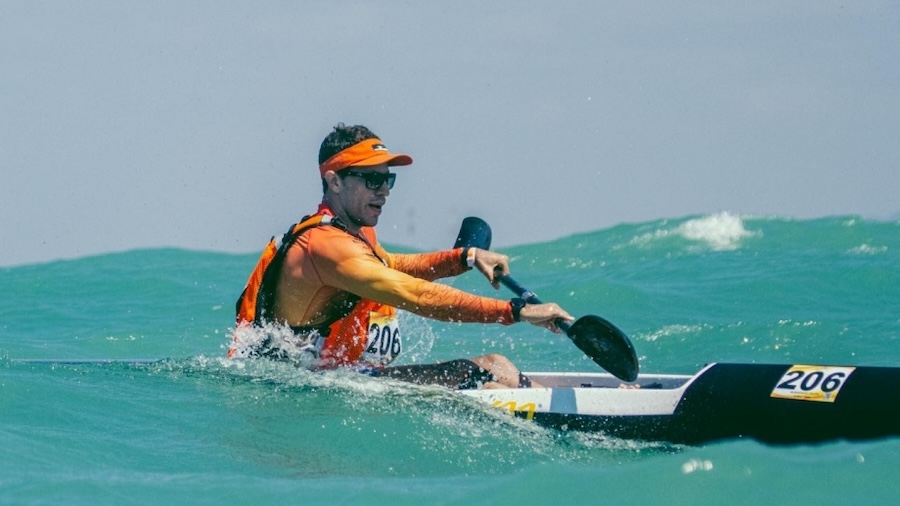
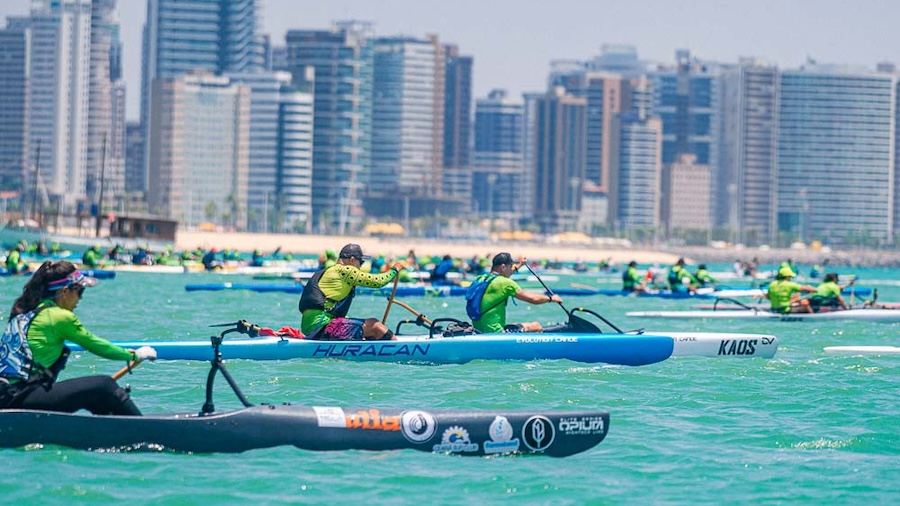
There are places in the world where water sports fit naturally into the rhythm of daily life. Fortaleza, in the state of Ceará, in the North East of Brazil is one of those rare destinations. From the first morning on Beira Mar, it becomes obvious: here, the ocean isn’t a backdrop — it’s the beating heart of the city.
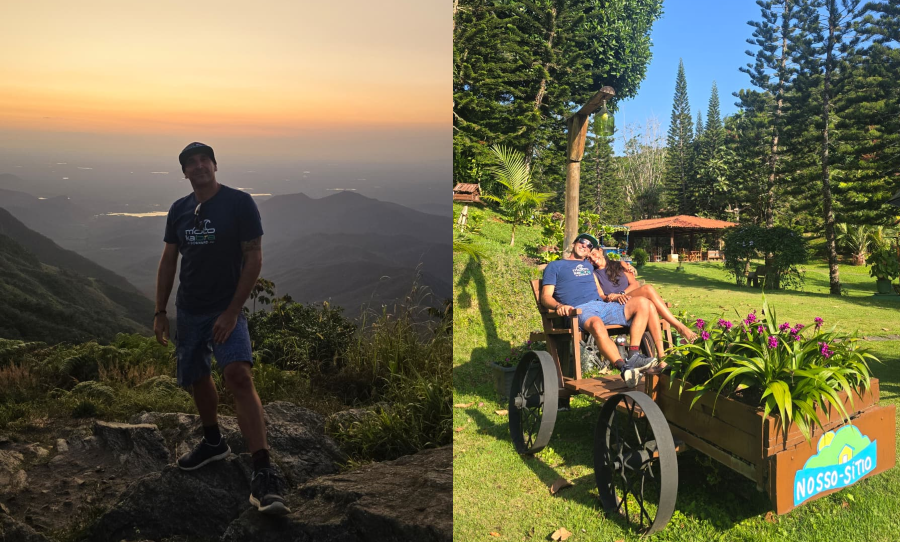
And for me, Fortaleza is more than that. It is also where I met my life partner, a Fortaleza native who gave me an even deeper connection to this extraordinary place. In the past three years, I’ve been lucky enough to return again and again, paddle its coastline, experience its downwind conditions from both SUP and OC1, and discover the culture that surrounds the ocean.
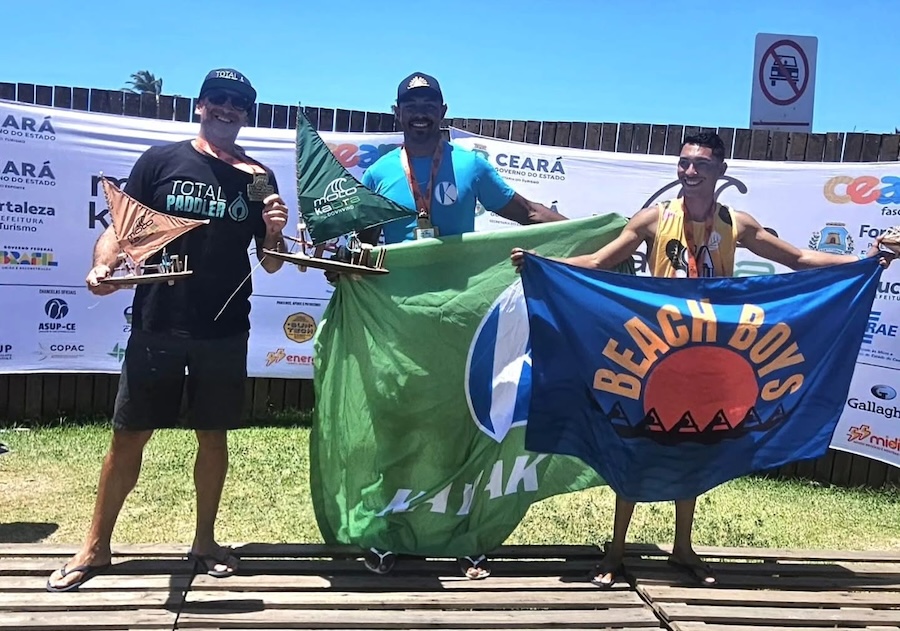
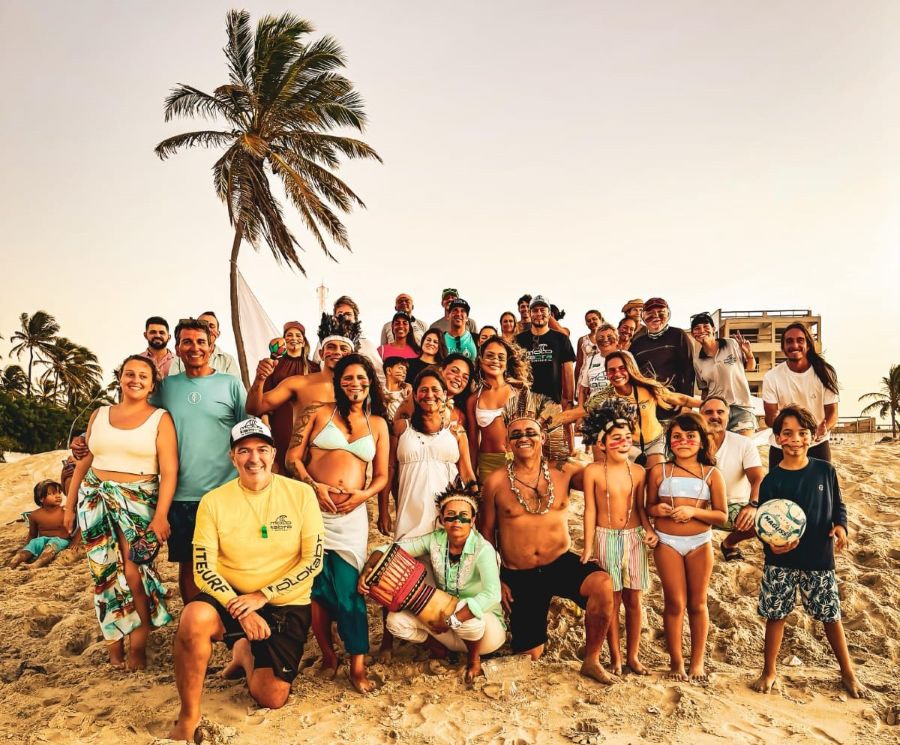
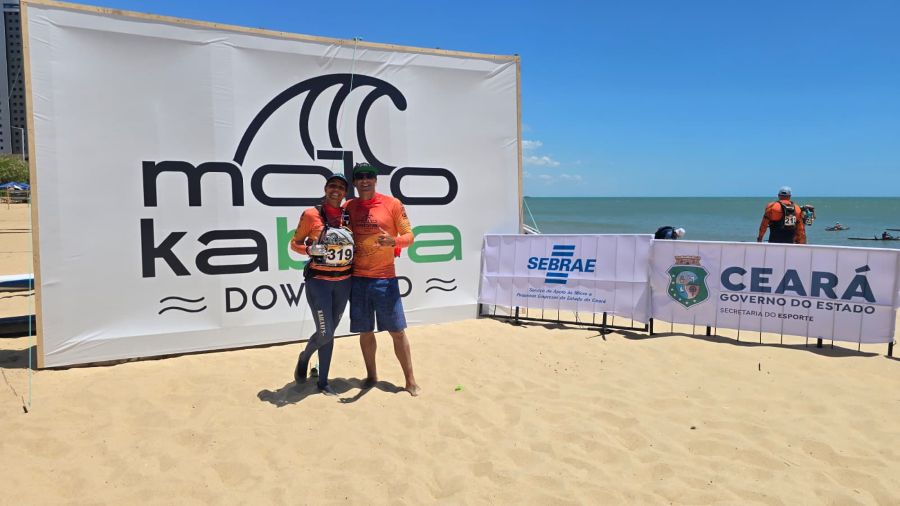
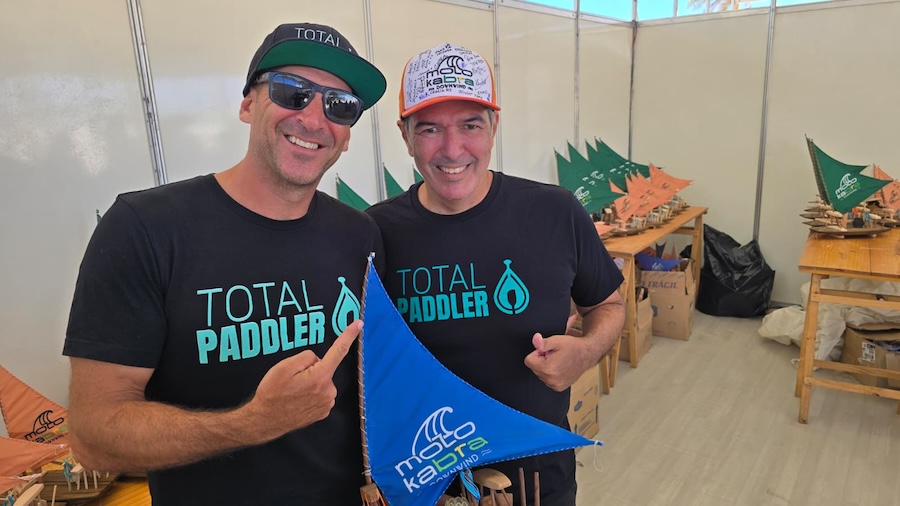
Each year, the Molokabra Downwind event reminds the international paddling community why Ceará has become a reference point for downwind paddling. But reducing Fortaleza to a race destination would miss the bigger picture. What makes this region exceptional is the ecosystem: wind, swell, culture, clubs, food, language, music, nightlife, and — most importantly — people, all aligned around the ocean.
The Molokabra Spirit: 120 Kilometers of Downwind
The Molokabra isn’t just a race; it’s an experience.
The format itself is extraordinary: four downwind runs of approximately 30 kilometers each, for a potential total of 120 kilometers of ocean paddling. For the overall ranking, the three best results are counted, meaning athletes have some room for error — but there is still plenty of motivation to complete all four stages.
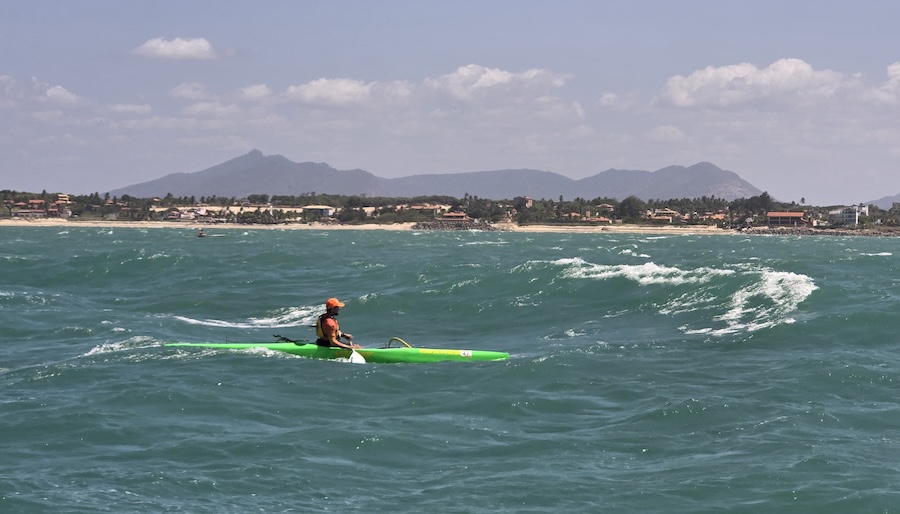
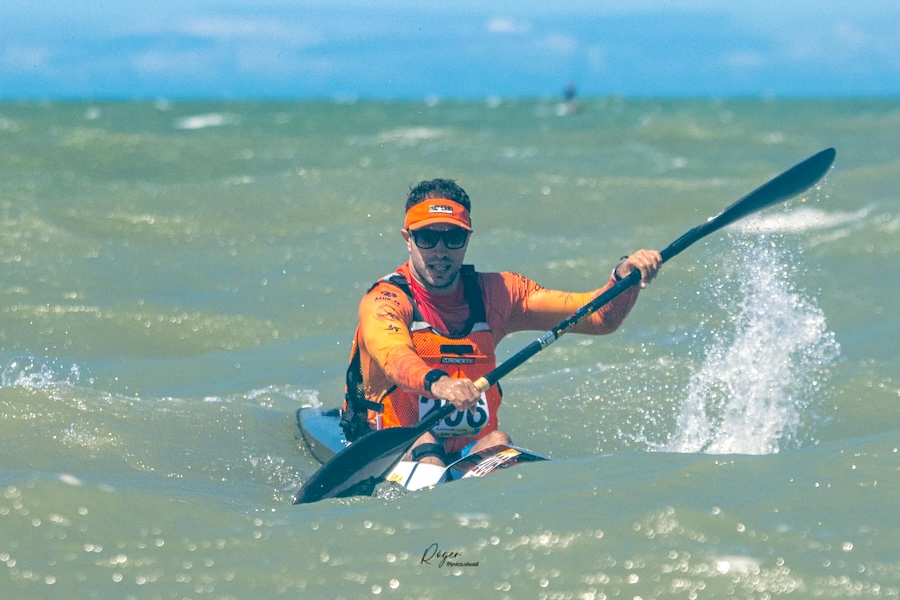
Long, open-ocean runs powered by reliable trade winds, warm water, and endless runners make Ceará one of the most consistent downwind playgrounds I’ve ever experienced. Whether you’re on a SUP, OC1, surfski or foil board, the conditions reward ocean reading, timing, positioning and the ability to link one bump into the next.
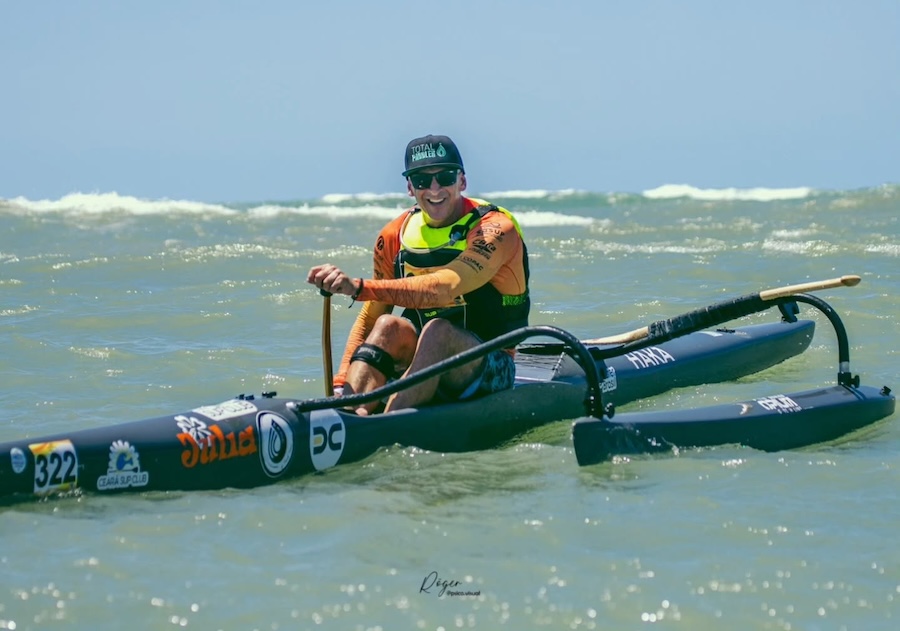
I’ve been fortunate enough to do some of these runs several times, both on SUP and OC1. Every time, the experience feels different. The ocean is never exactly the same, and there is always another runner to catch, another line to discover, another moment when the board suddenly accelerates and everything becomes effortless.
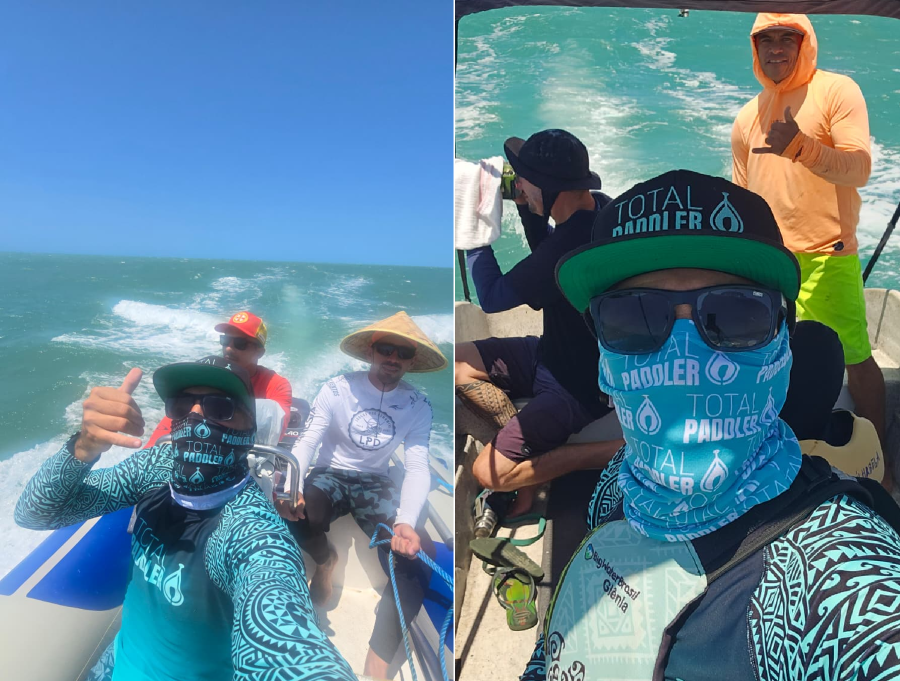
And there is another way to experience the Molokabra that I love: from the boat.
Filming the athletes from the water is incredible. From that perspective, you see the whole spectacle — the colors of the boards and equipment, the blue and green of the ocean, the wind blowing across the surface, and, most of all, the pure fun on the faces of the paddlers. Watching an athlete connect a series of bumps and disappear into a long, effortless glide is one of the best expressions of what downwind paddling is about.
What strikes me about Ceará every time is the accessibility. You don’t need to spend weeks waiting for a rare weather window. The trade winds are remarkably reliable, and the coastline offers a succession of places where downwinders can launch, paddle and land.
It’s no surprise that international athletes keep coming back — and often end up staying much longer than planned.
Beira Mar: The Pulse of the Paddling Community
Early mornings on Beira Mar are something special.
Before the city fully wakes up, outrigger canoe clubs are already on the water. V1, V3 and V6 canoes slide offshore, paddlers moving in rhythm as the sun rises behind the city skyline.
With more than a dozen clubs spread along just 2 km of coastline, paddlers have plenty of options to experience paddling for themselves. Whether you are a visiting paddler or simply curious to try it, you can choose any of these clubs and get on the water.
These clubs are much more than training groups. They are social anchors and meeting points for the local ocean community. They pass on technique, ocean knowledge and, perhaps most importantly, respect for the sea.
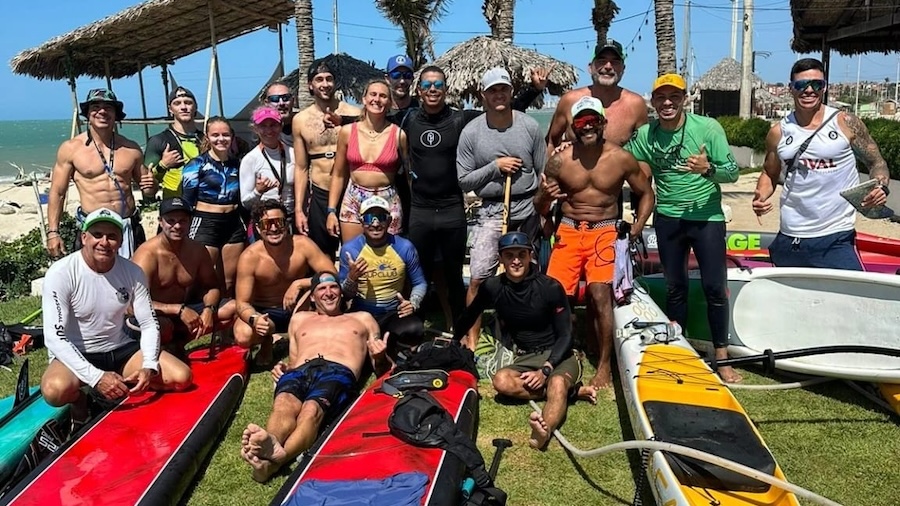
Whether you are a visiting paddler or a local beginner, there is a feeling that you belong. Paddle first, talk later — and then, inevitably, talk about paddling.
This strong outrigger culture blends naturally with SUP, surfski, surf and foil riders, creating a rare mix of disciplines sharing the same water. There is competition, of course, but there is also a genuine sense of community.
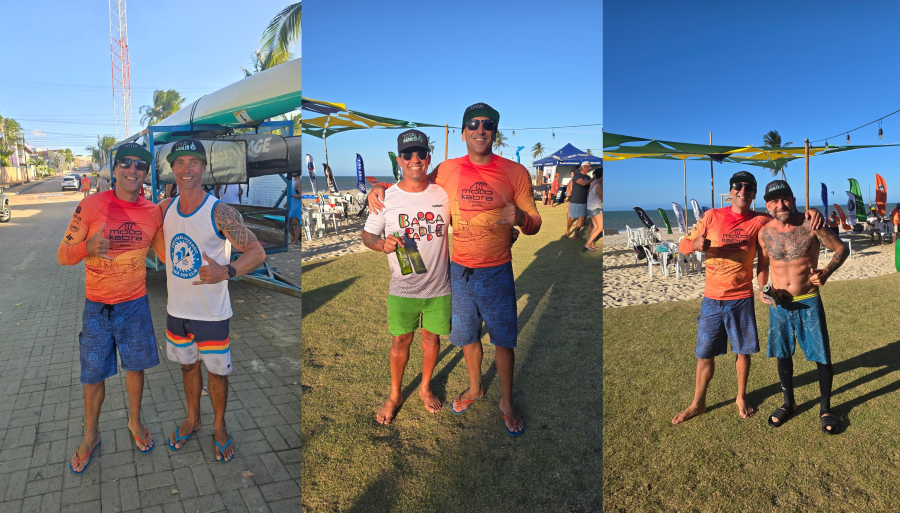
And I am lucky to have true friends within this community, especially at Ceará SUP Club and Vibe Va’a — two clubs that embody this welcoming spirit and the passion for paddling that makes Beira Mar so special.
Surf, Wind and Endless Playgrounds
Fortaleza and the wider Ceará coast offer an incredible diversity of conditions.
Surf spots range from punchy beach breaks to longer, more forgiving waves — perfect for everything from shortboards to longboards and SUP surf. Praia do Futuro is the most visible and accessible, but the coastline is full of lesser-known peaks that come alive with the right tide and swell.
Then there is the wind — Ceará’s signature element.
Around 30 km from Fortaleza, Cumbuco has become one of the world’s best-known destinations for kitesurfing and is increasingly popular with wingfoilers as well. Further along the coast, Taíba and other beaches offer their own combinations of wind, waves and lagoons.
During the windy season, the horizon fills with wings and kites, turning the coastline into a living showcase of wind-powered sports. Events, demos and informal sessions happen constantly, feeding a culture where progression feels natural and collective.
For anyone who loves being outside, it is difficult to spend time here without wanting to try one more sport.
Fortaleza After Dark
The ocean may dominate the mornings, but Fortaleza has plenty of energy after sunset.
Beira Mar is the obvious starting point, with restaurants, bars, live music and people filling the waterfront well into the evening. The city has a lively nightlife scene, ranging from relaxed beach bars to clubs and venues where the night can continue until very late.
Cumbuco has a different atmosphere. As part of Caucaia, just outside Fortaleza, it combines the relaxed feel of a wind-sports village with a surprisingly active nightlife. After a day on the water, the village comes alive with restaurants, bars, music and the international crowd attracted by kitesurfing and the lagoon.
That combination is part of Cumbuco’s charm: you can spend the day chasing wind and finish the night dancing barefoot, surrounded by people who have come from all over the world for exactly the same reason.
Ceará on a Plate
You cannot understand Ceará without eating it.
Three specialties should be on every visitor’s list.
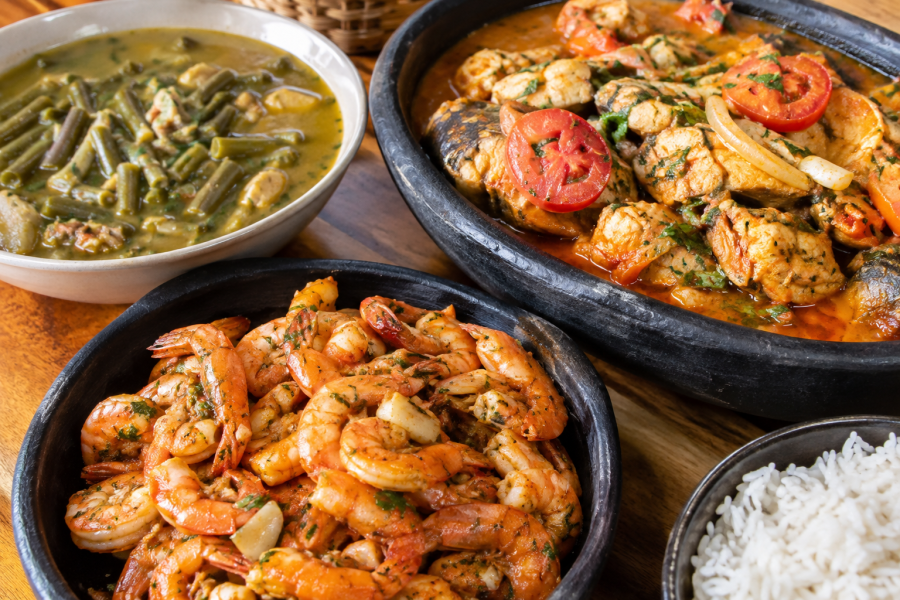
Feijão verde is a local staple, often served with rice, farofa, queijo coalho and meat. Simple, hearty and deeply connected to northeastern Brazilian cuisine, it is exactly the kind of food you want after hours in the ocean.
Then there is peixada cearense, a comforting fish dish that brings together the flavors of the coast in a rich, satisfying preparation.
And for seafood lovers, camarão ao alho e óleo is hard to beat: shrimp cooked with garlic and oil, often enjoyed in a wonderfully informal setting.
For that last one, Mercado dos Peixes, on Fortaleza’s waterfront, is a classic stop. Fresh seafood, ocean views and a relaxed atmosphere make it one of those places where the meal becomes part of the travel experience rather than simply another restaurant visit.
Beyond Fortaleza: Day Trips and Road Adventures
One of the best things about basing yourself in Fortaleza is the variety of places you can reach from the city.
Guaramiranga — roughly 100 km from Fortaleza — feels like another country. Nestled in the Serra de Baturité, it has cooler temperatures, lush vegetation, winding mountain roads and coffee plantations. After a long downwind or a windy foil session, the change of scenery is almost therapeutic.
Canoa Quebrada — around 160 km away — is one of the most iconic destinations in Ceará. Its red cliffs, enormous beaches, sand dunes and laid-back atmosphere capture a different side of the state. Spend the day exploring the dunes, watching the sunset from the cliffs or simply enjoying the beach-town atmosphere.
Further away, Jericoacoara — roughly 300 km from Fortaleza — deserves several days if you have the time. Jeri combines spectacular dunes, lagoons, beaches, wind and one of Brazil’s most famous sunset experiences. It has evolved from a remote fishing village into an international destination, but it still retains enough of its original character to make the journey worthwhile.
And then there is Ubajara, approximately 300–320 km from Fortaleza, in the mountains of the Serra da Ibiapaba. It is another dramatic change from the coast, with greener landscapes, cooler temperatures and the famous Ubajara National Park. For anyone wanting to discover Ceará beyond beaches and wind, it is a completely different perspective on the state.
These distances make Ceará particularly rewarding for road trips. Within a few hours, you can move from tropical coastline to mountains, forests, lagoons, dunes and traditional villages.
Why Fortaleza Leaves a Mark
I’ve been lucky enough to experience water sports all over the world, but Fortaleza stands out for one simple reason: everything here feels real.
The conditions are world-class, but the culture stays grounded. The athletes are strong, but the smiles are genuine. The ocean demands respect, but gives back endlessly.
And for me, there is something even more personal about the place. Fortaleza is where I met my life partner, and that connection has made every return feel like coming back to somewhere that is partly mine.
But even without that personal story, Ceará would be difficult to forget.
It is the feeling of launching into a 30-kilometer downwind with the trade wind behind you. It is the moment an OC1 accelerates onto a runner. It is filming a group of paddlers from a boat and watching them disappear into perfect glides. It is an early morning V6 session on Beira Mar, followed by fresh seafood, a sunset, music and another night out.
Fortaleza isn’t just a destination you visit. It is a place that pulls you into its rhythm.
And once it does, you understand why so many water people arrive for an event like the Molokabra — and start planning their return before they’ve even left.
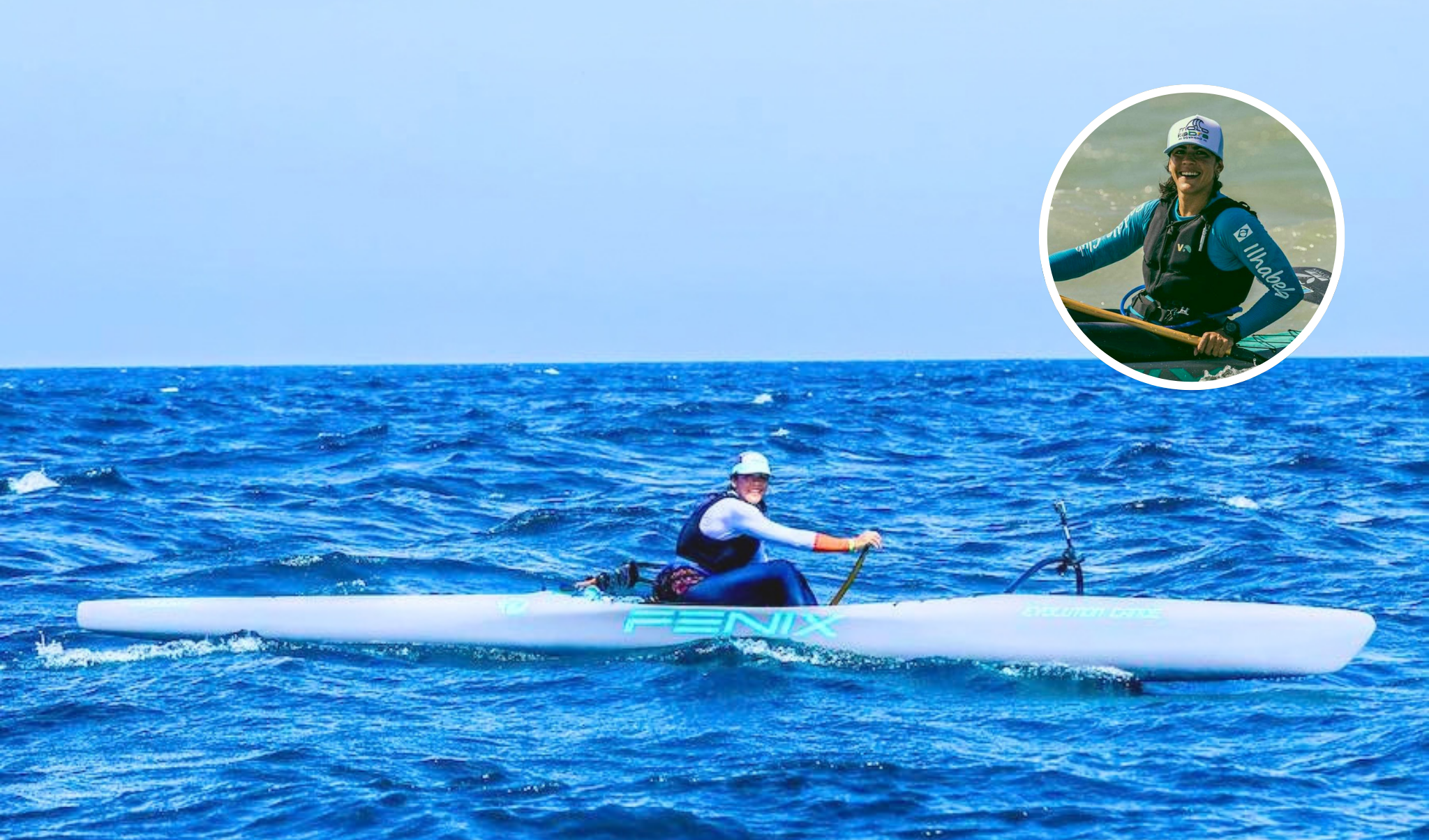
For Maria Clara, Molokabra isn’t just another stop on the calendar, it’s practically a homecoming. Now competing for her third consecutive year, the Brazilian paddler arrived in Ceará fresh off a rainy stretch in Ilhabela and stepped straight into the trade winds she’s come to know so well. Her opening descent delivered a personal-best top […]
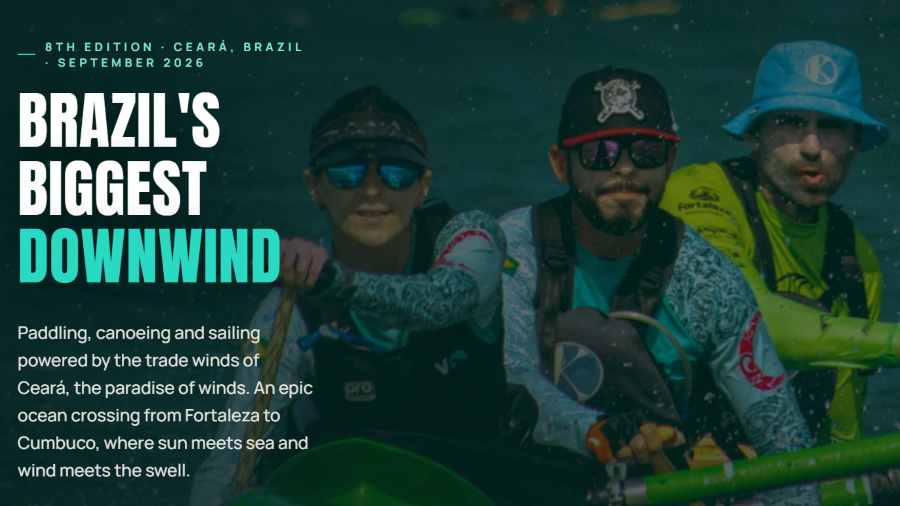
Welcome to MolokaBRA Downwind 2026! Welcome to Ceará, Brazil, for the 8th edition of MolokaBRA Downwind — one of the biggest downwind events in Latin America and a major gathering for ocean paddling. Taking place from September 18 to 27, 2026, along the Ceará coastline, MolokaBRA brings together athletes from Brazil and around the world […]
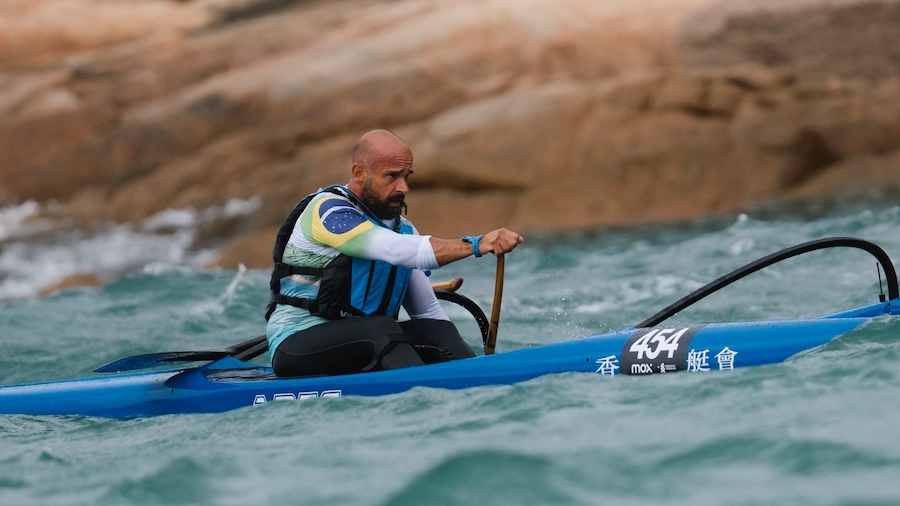
Brazilian paddler Alex Miranda has built one of the most diverse journeys in ocean paddle sports. Originally from Recife and most recently based in Ilhabela — one of the biggest hubs for ocean paddling in the state of São Paulo — he has now returned to Hong Kong to take on an exciting new chapter […]
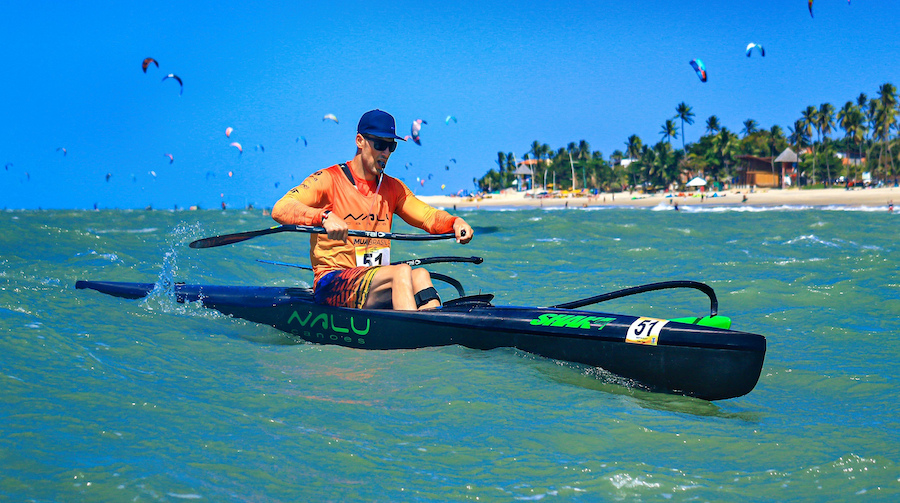
This season has been a exciting one for Marton Buday, founder and athlete of NALU Canoes. Dividing his time between racing and developing the brand, Márton continues to build a connection between performance on the water and design in the workshop. His approach remains consistent: test, refine, and apply what he learns in competition to […]
It’s the news TotalPaddler – and a large part of the Outrigger Canoe racing community – has been waiting for! Starting next season, the International Canoe Federation (ICF) has officially confirmed the inclusion of the OC1 (one-man outrigger canoe) as a medal event for both men and women, joining the surfski SS1 category, at the […]
Canoe Ocean Racing is set to take a major step forward in 2026 with the International Canoe Federation confirming four-stop World Cups spanning Brazil, France, Malaysia, and Tahiti. For the first time, athletes will have the opportunity to compete in an international circuit dedicated to surfski racing, with events strategically placed across the globe. The […]
A few hours before the start of the Molokabra, we had the chance to sit down with one of the key figures shaping the growth of va’a in Brazil: Lígia Felismino. Architect by profession and paddler by passion, Lígia discovered canoeing in 2021 and quickly embraced the sport as a lifestyle, balancing her love for […]