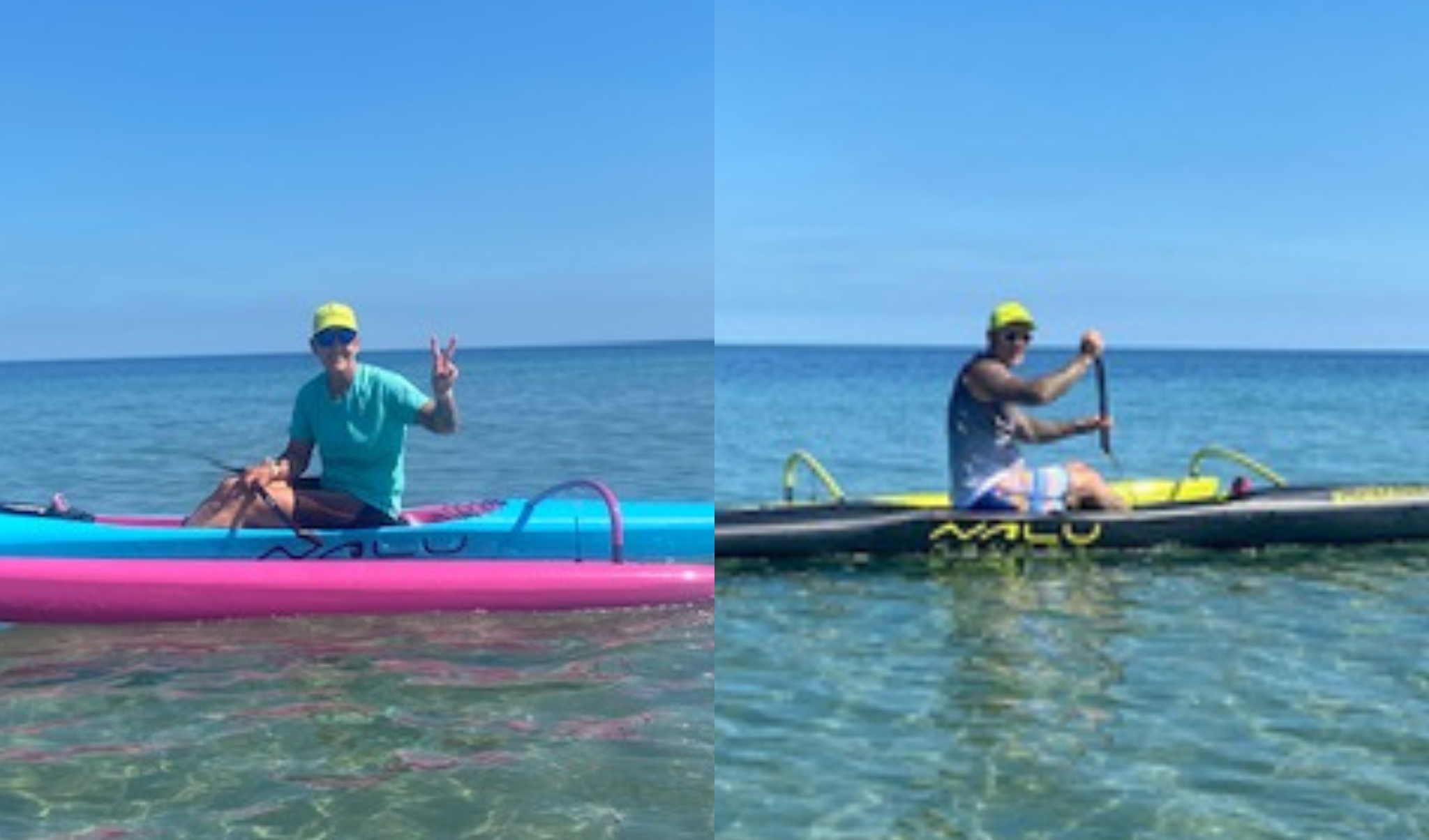
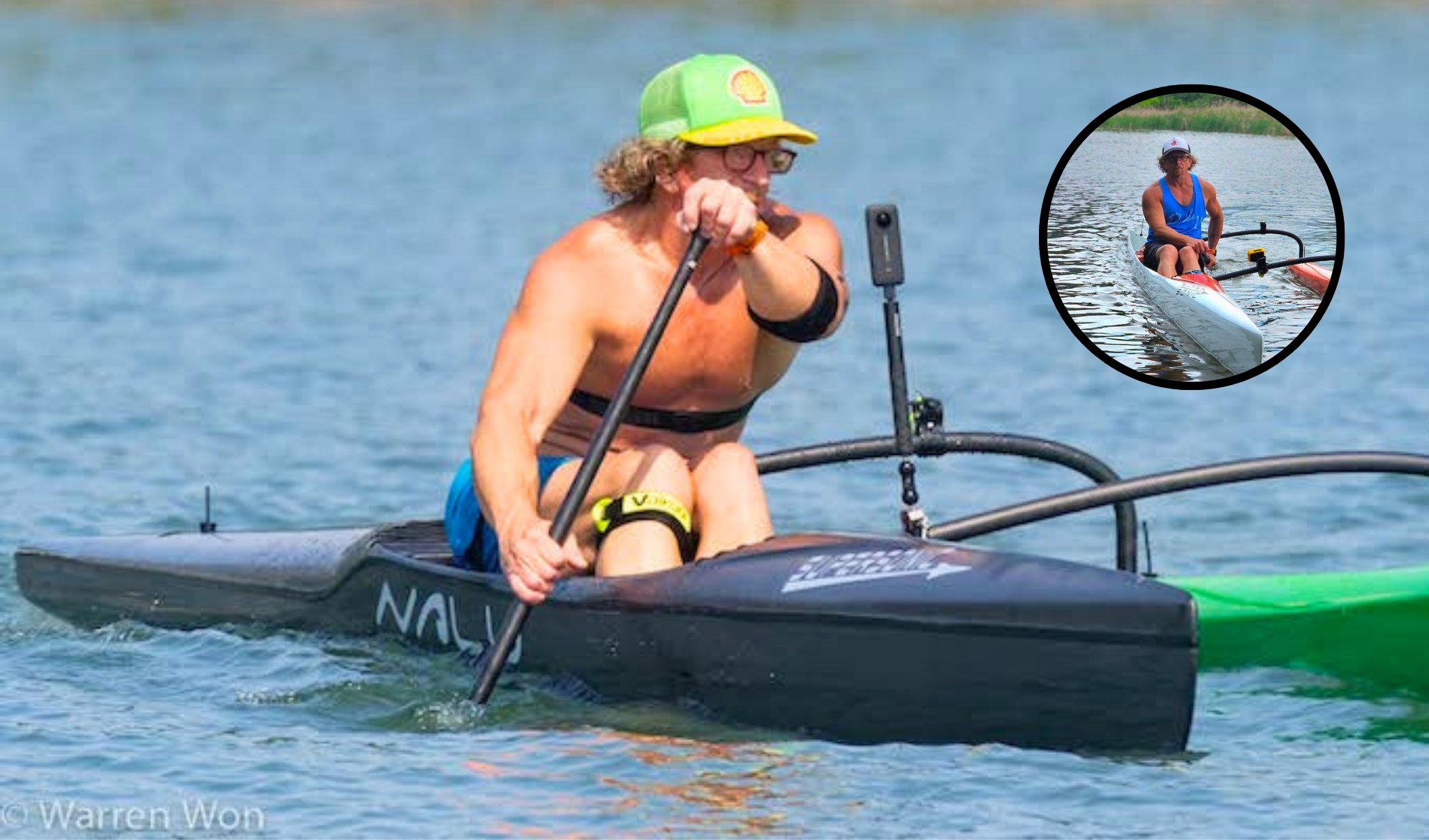
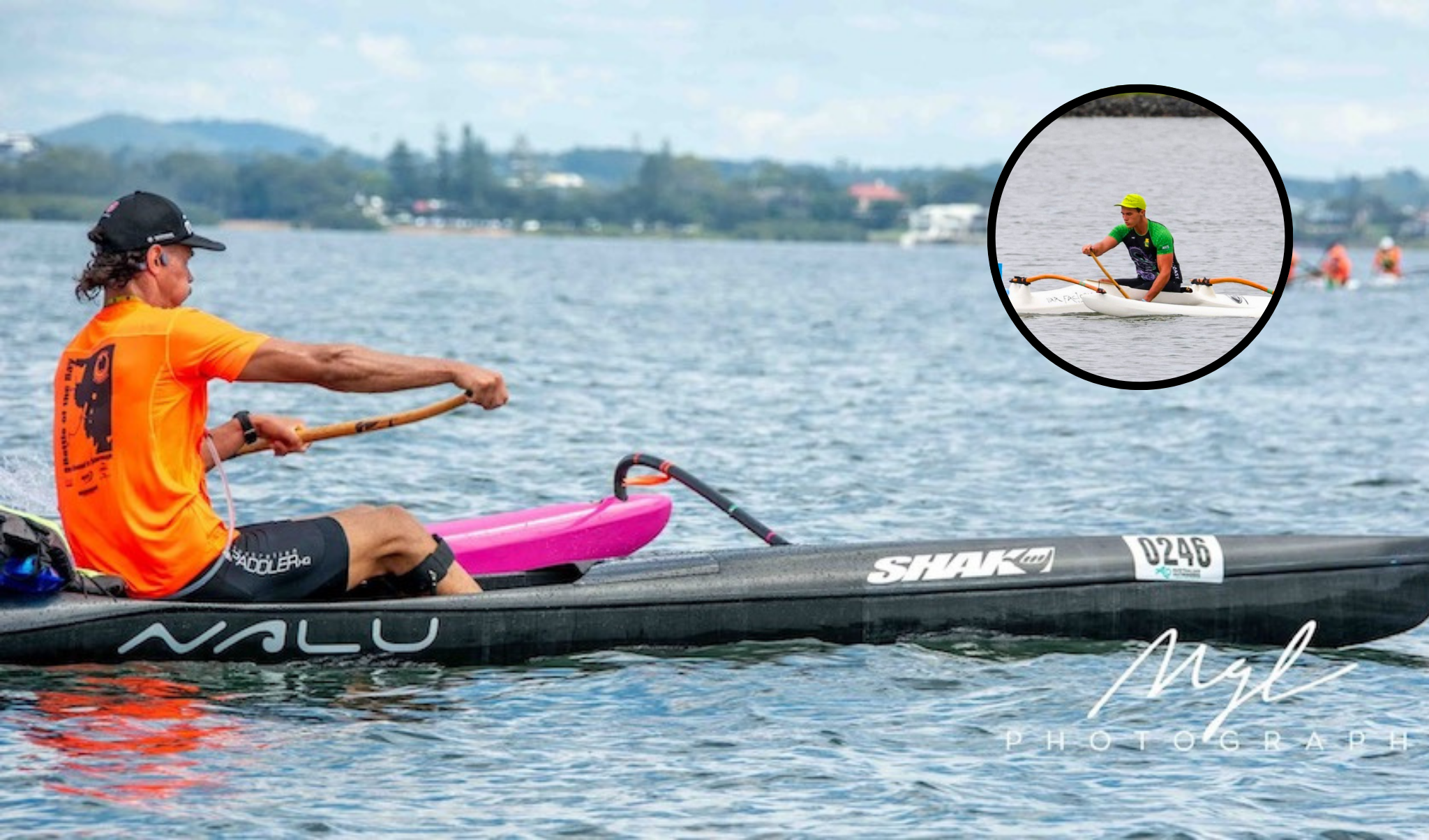
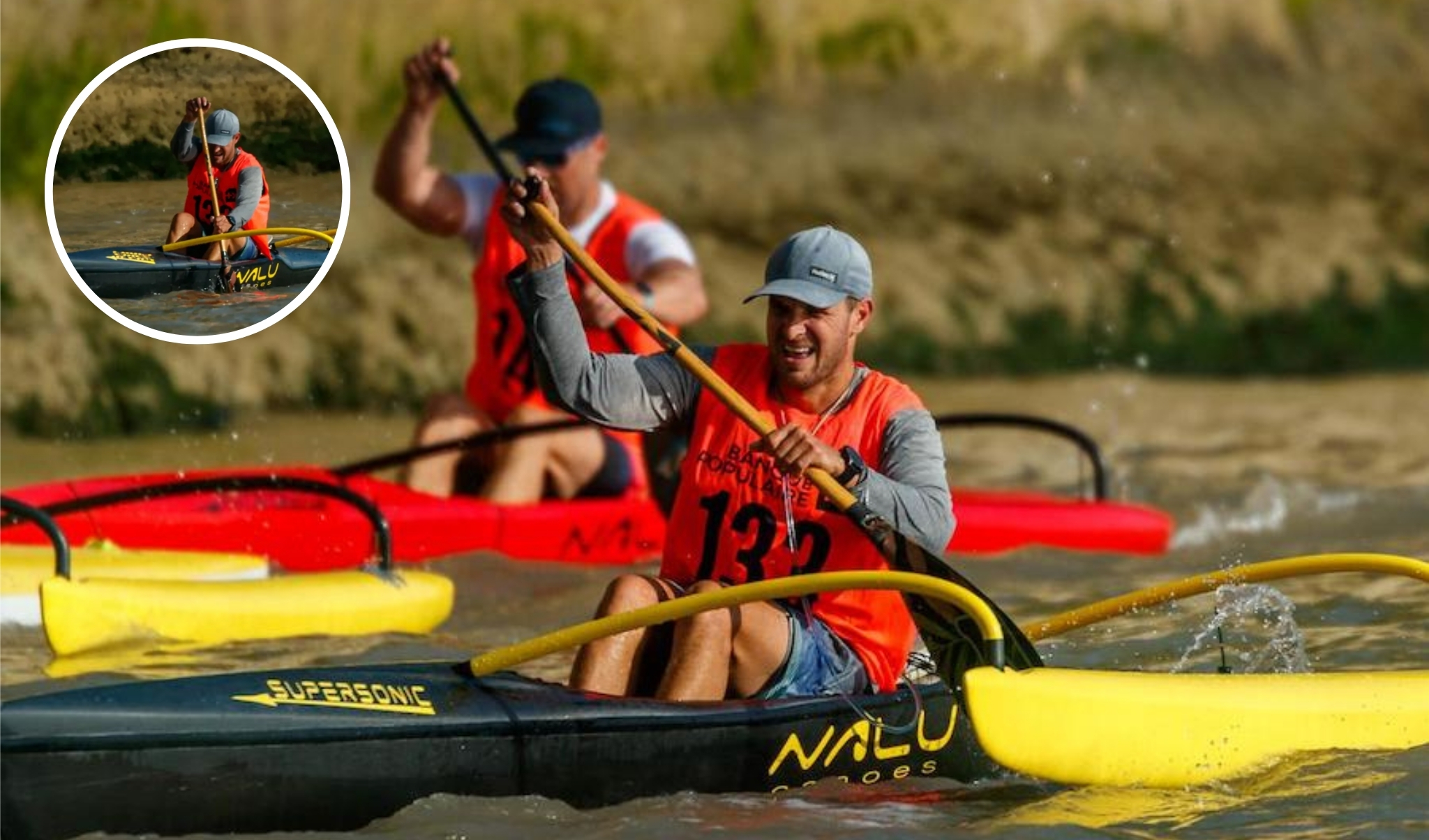
For years, outrigger canoeing has been building its presence across Europe, bringing together paddlers drawn to ocean racing, downwind conditions and the unique challenge of reading and working with the water. In the United Kingdom, the sport remains relatively niche, but a growing race series and closer ties with the surfski community are creating new opportunities for British paddlers to compete and progress towards the European and World Championships.
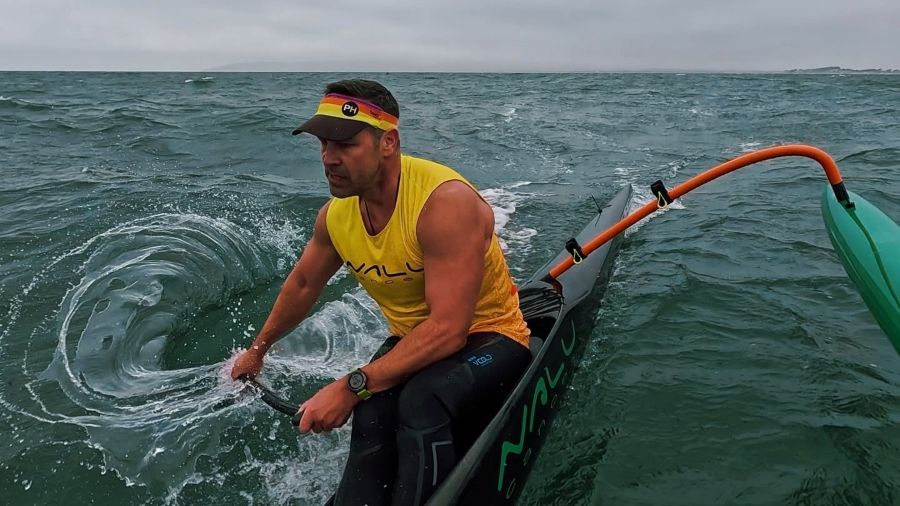
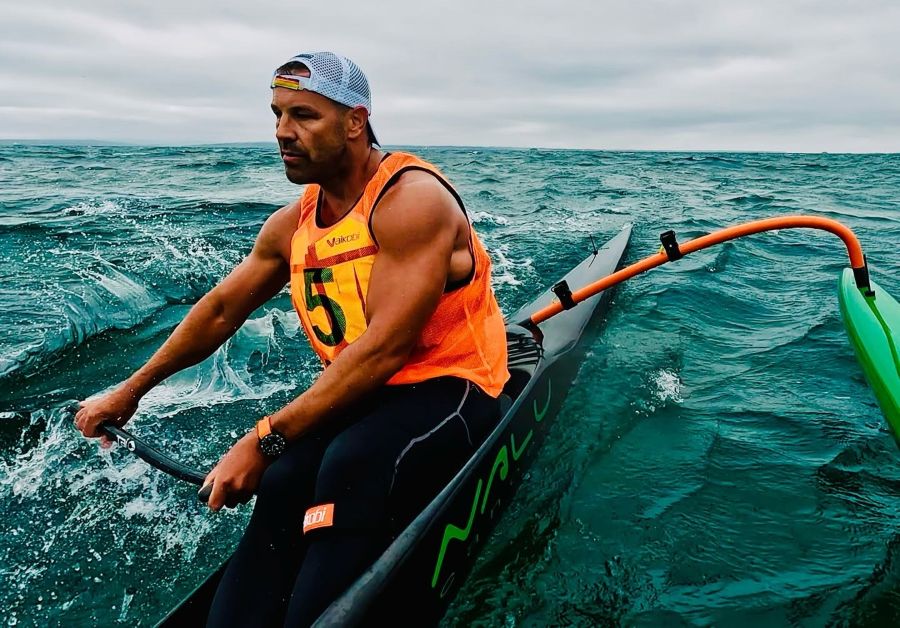
Among those helping shape the UK scene is Ryan James, a British ocean paddler whose sporting background includes professional triathlon and ten national titles in SUP. Based on England’s south coast, around Poole and Bournemouth, Ryan has access to a varied paddling environment where tides, wind and changing sea conditions make adaptability essential.
His experience with Nalu Canoes, an outrigger canoe brand working on performance and versatility, has also given him the opportunity to test different setups and contribute feedback as its designs evolve. From choosing between the Shaka and Supersonic to the future of outrigger racing in the UK, Ryan shares his perspective on the sport, the equipment and the ambitions driving his paddling journey.
Ryan, for those who don’t know you yet, could you tell us a little about yourself and your journey into outrigger canoeing?
I was born on the coast, so the water and ocean have always been a big part of my life. Interestingly, neither of my parents could swim, and because they knew they wouldn’t be able to rescue me if I got into trouble in the water, they made sure I had swimming lessons from an early age.
That started everything. I went from open-water swimming into the club swimming scene and eventually earned a scholarship to the United States, where I swam at college.
When I came back to the UK, I started looking for other ways to challenge myself around the water. Swimming led to triathlon, and I went on to compete as a professional triathlete. From there, I got into snowboarding and kitesurfing before a shoulder injury while snowboarding changed direction for me again.
I took up stand-up paddleboarding initially as part of my recovery, then discovered there was a whole competitive sport behind it. I became completely hooked and went on to win ten national titles in SUP.
Then an Australian friend bought an outrigger canoe and let me have a go. I loved it immediately. Before long, SUP had taken a back seat, and outrigger became the main focus.
For me, it is the downwind and surfing side that really makes the sport special. I love reading the water, linking runs and working with the ocean rather than just trying to overpower it.
These days, if I’m not paddling, I’ll probably be open-water swimming, freediving or spearfishing. I basically try to spend as much time in or around the ocean as possible. I’m also trying to introduce my family to that lifestyle. Looking after and respecting the ocean is a really important part of it for me, too.
How would you describe the current state of outrigger canoeing in the UK?
Outrigger is still a very niche sport in the UK, particularly compared with places where it has a much longer history and culture.
We have plenty of talented paddlers, but historically, a lot of UK paddling has taken place on rivers, lakes and more sheltered water. I’d love to see more paddlers transitioning into the ocean and becoming comfortable in those environments, because for me, that is where outrigger really comes alive.
Personally, there is nothing more boring than flat water! Give me some bumps to chase, and suddenly everything gets more interesting.
One of the really positive developments has been the growth of the UK race series, and the collaboration with the surfski community has been great. Bringing those communities together gives us better racing and creates opportunities for UK paddlers to develop towards European and world-level competition.
I think we are moving in the right direction. We now need to keep building participation and getting people travelling to and supporting the races.
What makes the UK scene unique? What do British paddlers bring to the sport?
I think one of the unique things about paddling in the UK is simply how changeable our conditions are.
Where I live on the south coast, I can access the harbour, rivers and coastline, so depending on the wind and tide, you can find almost every type of paddling condition.
Although we don’t necessarily get the huge ocean swell that people associate with some of the traditional outrigger locations, we get plenty of wind, chop, tidal movement and technical conditions. It makes you adaptable.
You can take someone from their first experience of ocean paddling through to some genuinely challenging downwind conditions, often within the same stretch of coastline.
I think British paddlers tend to become quite versatile because of that. You can’t wait around for perfect conditions because you might be waiting a long time! You learn to make the most of whatever the weather gives you.
What are your favourite places to paddle, and why?
Without question, I prefer being on the coast.
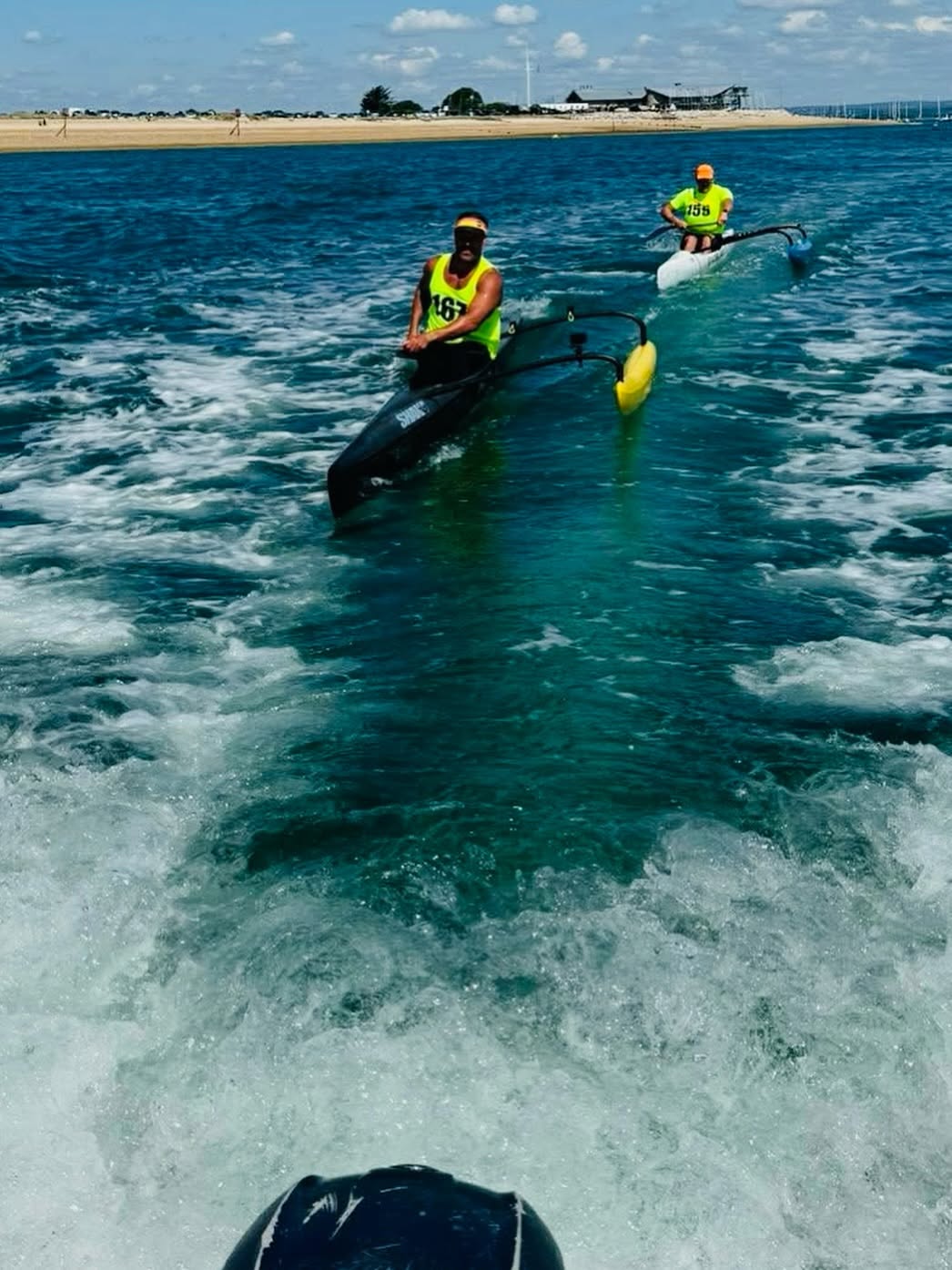
My home waters around Poole and Bournemouth are probably still my favourite place to paddle. We have Poole Harbour, the harbour entrance and the open coastline, together with significant tidal movement and constantly changing conditions.
There is also plenty happening on the water. Boat traffic creates wake and bumps to chase, and once you get out onto the coast, you have the opportunity for proper downwind paddling.
What I really like is the variety. You can find somewhere relatively protected when conditions are difficult, or head onto the coast when everything lines up and get some fantastic downwind conditions.
Having all of that on my doorstep is pretty special.
What has your experience been like working with Nalu as the brand and its canoes have evolved?
I got involved with Nalu and Marton Buday quite early in their journey, and that has been one of the things I’ve really enjoyed about the relationship.
It hasn’t just been a case of being given a canoe and told to go and paddle it. I’ve been able to use the boats, race them, test different setups and feed information back as the designs have developed.
For me, the big attraction is the balance between performance and durability.
I’ve paddled some extremely fast, high-end canoes from other brands, but that performance can sometimes come with fragility. With Nalu, I’ve found I can have the speed I want while still having a canoe that feels genuinely resilient and capable of dealing with the abuse that comes with UK conditions, travelling and racing.
That combination is a big reason why I still paddle Nalu and enjoy being part of the ambassador programme.
What do you personally look for in an outrigger canoe?
Speed, first and foremost! I want good hull speed, but I also want a canoe that accelerates quickly and carries that speed.
The challenge in the UK is that I need a boat that works across a really wide range of conditions. One day it can be completely flat, and the next you can have wind, chop and proper downwind conditions.
So I don’t want a canoe that is brilliant in one very specific situation but compromised everywhere else.
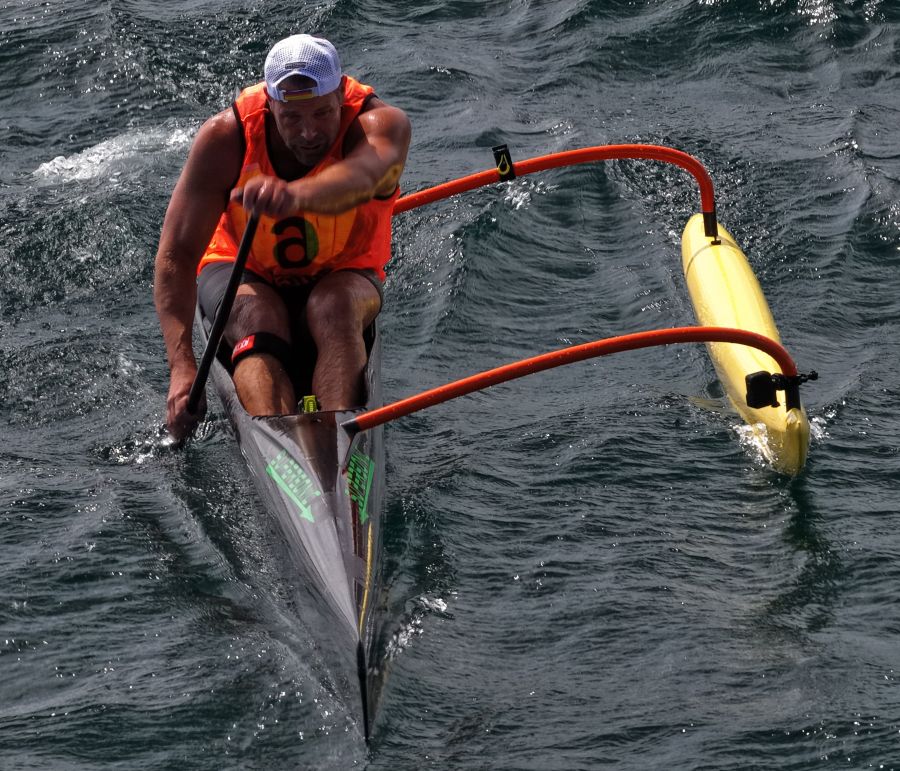
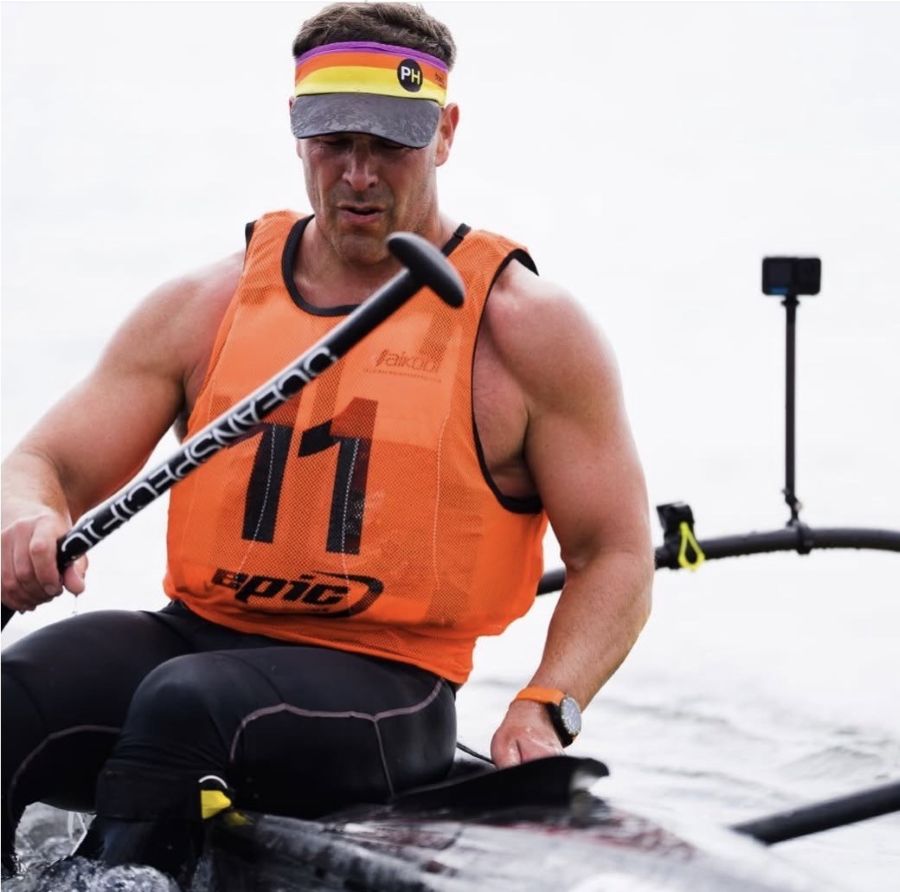
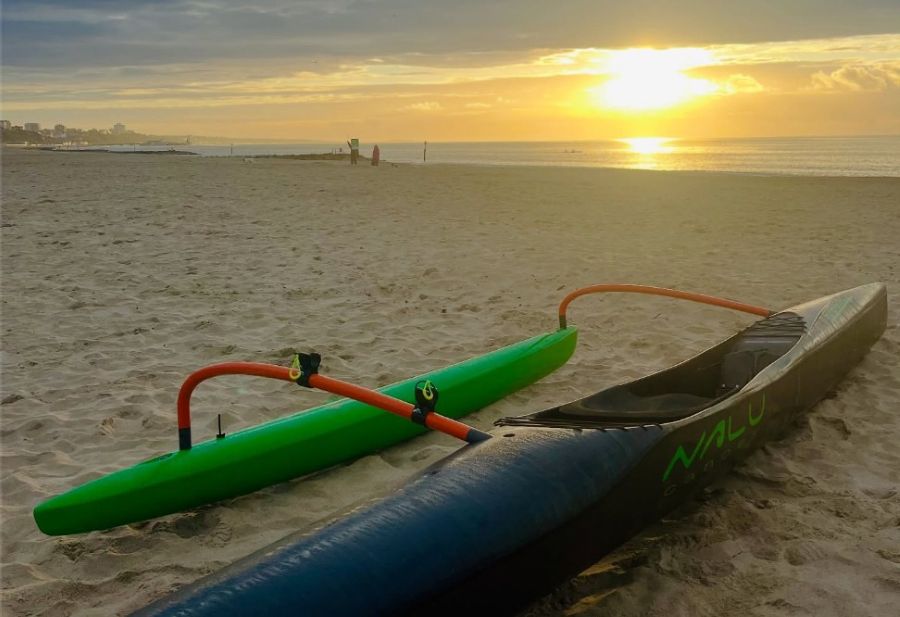
I also really value how adjustable the Nalu setup is. We’ve experimented with seat height, stability and different ama configurations. I’m fortunate to have both a Shaka and a Supersonic ama available, which means I can change the setup depending on what the conditions are doing.
That interchangeability makes a huge difference because you can tune the canoe and find the balance between outright speed, stability and the conditions you’re actually paddling in.
Which Nalu canoe would you choose depending on the conditions, and why?
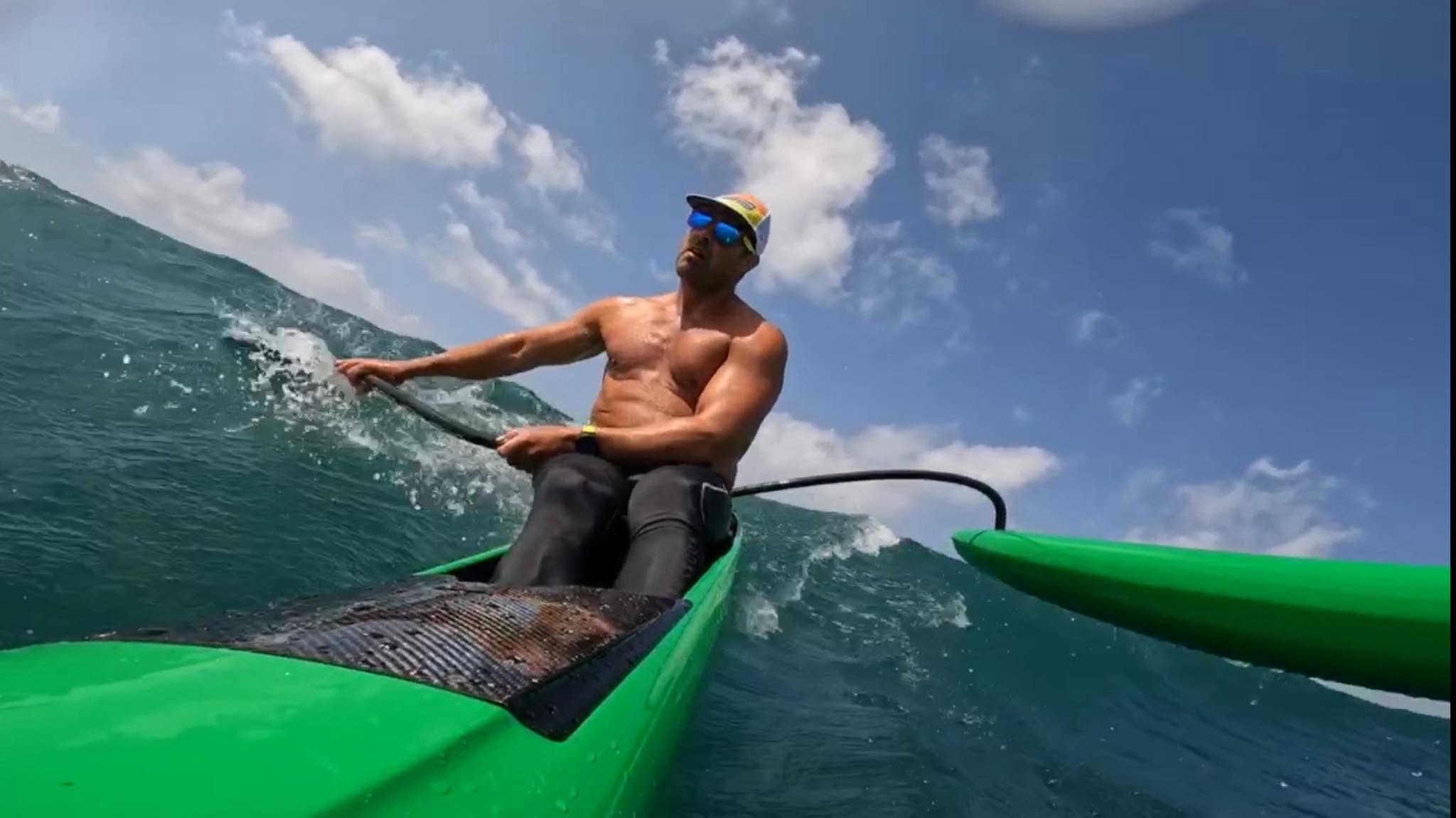
At the moment, the Supersonic is my go-to canoe because I find it performs across the widest range of UK conditions.
From flat water through to low and moderate wind and chop, I really like the Supersonic. It has the hull speed I’m looking for and carries that speed extremely well.
If I know I’m going into proper downwind conditions, though, the Shaka becomes a very attractive option. It accelerates onto bumps very quickly and has a great ability to connect and jump between runs.
So, broadly speaking, if it’s predominantly downwind, I’m reaching for the Shaka. If I need something that gives me outright speed across mixed conditions, I’m probably choosing the Supersonic.
Again, being able to change the setup gives me even more flexibility.
Is there a particular Nalu canoe or paddling experience that has stood out?
The evolution from paddling the Shaka initially to moving onto the Supersonic has probably been the experience that stands out most.
The Shaka showed me just how much fun a canoe could be in downwind conditions. But the reality of paddling and racing in the UK is that we don’t always have perfect downwinders. We race on open water, in estuaries and sometimes in very flat conditions, all within the same season.
I was therefore looking for something that could retain really good flat-water speed while still performing when the wind picks up.
That is what I’ve found with the Supersonic. In small to medium downwind conditions, it still performs really well, but I’m not sacrificing the speed I want when conditions flatten off.
Being able to switch the ama and alter the setup for bigger conditions makes it even more versatile.
What are your goals, and what would you like to see for UK outrigger canoeing?
For the UK scene, I’d love to see more ocean paddling, bigger races and more people travelling to support the race series.
We have clubs and paddlers spread across the country. The next step is bringing more of those people together consistently. The bigger the fields become, the better the racing gets, and that helps develop everyone.
I’d also love to see more infrastructure around the sport. Transporting canoes and travelling around the country can be a challenge, so things such as trailers and additional support would make it much easier for people to participate.
Personally, I want to keep competing and testing myself against strong paddlers. Representing my country at European and World Championships remains a big ambition. I’ve qualified previously, but funding has made travelling to those competitions difficult.
I’d really like another opportunity to get onto those start lines and see where I can take my paddling.
What would you say to paddlers considering experiencing outrigger in the UK?
Come and try it. I genuinely think people would be surprised by what the UK can offer.
When people think about world-class downwind paddling, the south coast of England probably isn’t the first destination that comes into their head. But when the conditions line up around Poole and Bournemouth, the paddling can be incredible.
We can get long stretches of clean, lined-up bumps and some fantastic surfing. One of the advantages of this coastline is the number of exit points, so you can tailor a run to both the paddler and the conditions.
You might do a shorter 8 km run while the conditions are relatively manageable, or carry on for 15 to 20 km as the conditions build and become much bigger and more challenging.
The main thing I’d tell visiting paddlers is to come prepared for variety. You might have flat water, wind, chop, tides, cold weather and a proper downwinder within a very short period.
It may not be tropical, but when the UK turns it on, the paddling can be epic.
Follow Ryan James and Nalu Canoes to learn more about their work and latest updates.
Based in Singapore and born from a genuine passion for paddling, SKILD is building a name for itself with technical apparel designed specifically for life on the water. At the heart of the brand is co-founder Christoph Renger, an active Dragon boat, OC and Va’a paddler who understands first-hand the demands of long hours in […]
At just 18 years old, Louka Brard has already established himself as one of the brightest young talents in French Ocean Racing. The Breton paddler delivered an outstanding performance at the 2026 French Championships, claiming four national titles and one bronze medal across five different disciplines. A passionate waterman and first-year sports science student in […]
The German Open Ocean Championship, held during the Hawaiian Sports Festival, brought together some of Germany’s top outrigger canoe paddlers for a demanding day on the water. While many expected classic downwind conditions, Mother Nature had other plans. Instead of strong winds and ocean runners, the athletes faced intense heat, flat water, and a race […]
The 2026 Gorge Downwind Champs brought 641 finishers to Hood River, Oregon, for another memorable edition of one of the world’s premier downwind paddling events. With elite international athletes lining up alongside a deep field of dedicated paddlers, the race once again delivered the speed, excitement, and legendary conditions that make the Columbia Gorge a […]
For more than 25 years, Jeff Holubeshen, a Nalu Canoes athlete, has been moving across water with the same quiet obsession: finding efficiency in every stroke. Based in Toronto, his journey has taken him through almost every form of paddle sport: dragon boat, sprint canoe, outrigger canoe, and stand-up paddle. Each one adding another layer […]
Rooted in the ocean since childhood, Paolo Ameglio has built a life and a career around paddling. Born in Panama and now based in South Florida, he brings over 15 years of coaching experience across outrigger canoeing and dragon boat, including work with the U.S. national teams. As the founder of Florida Paddling Hui, he […]
Merlin Grellier-Besancon is one of the rising young names in the world of outrigger canoe racing, a demanding ocean sport that combines endurance, power, technique, and the ability to read ever-changing conditions at sea. Competing across disciplines such as OC1, OC6, and V1, he has quickly built a reputation as one of the most promising […]
Australia has always had a particular relationship with the ocean. For Matt and Josh Walsh, that relationship started early. Growing up as brothers in a sporting family, they tried nearly everything, and excelled at most of it. But it is on the water, aboard their Nalu canoes, that the two brothers found something that stuck. […]
Passionate about the ocean and driven by a strong competitive spirit, this French paddler Thomas Buton and Nalu’s Canoes team rider has built an impressive journey in outrigger canoeing since discovering the sport in 2010. After many years playing American football, he turned to the water in search of a new challenge and quickly fell […]