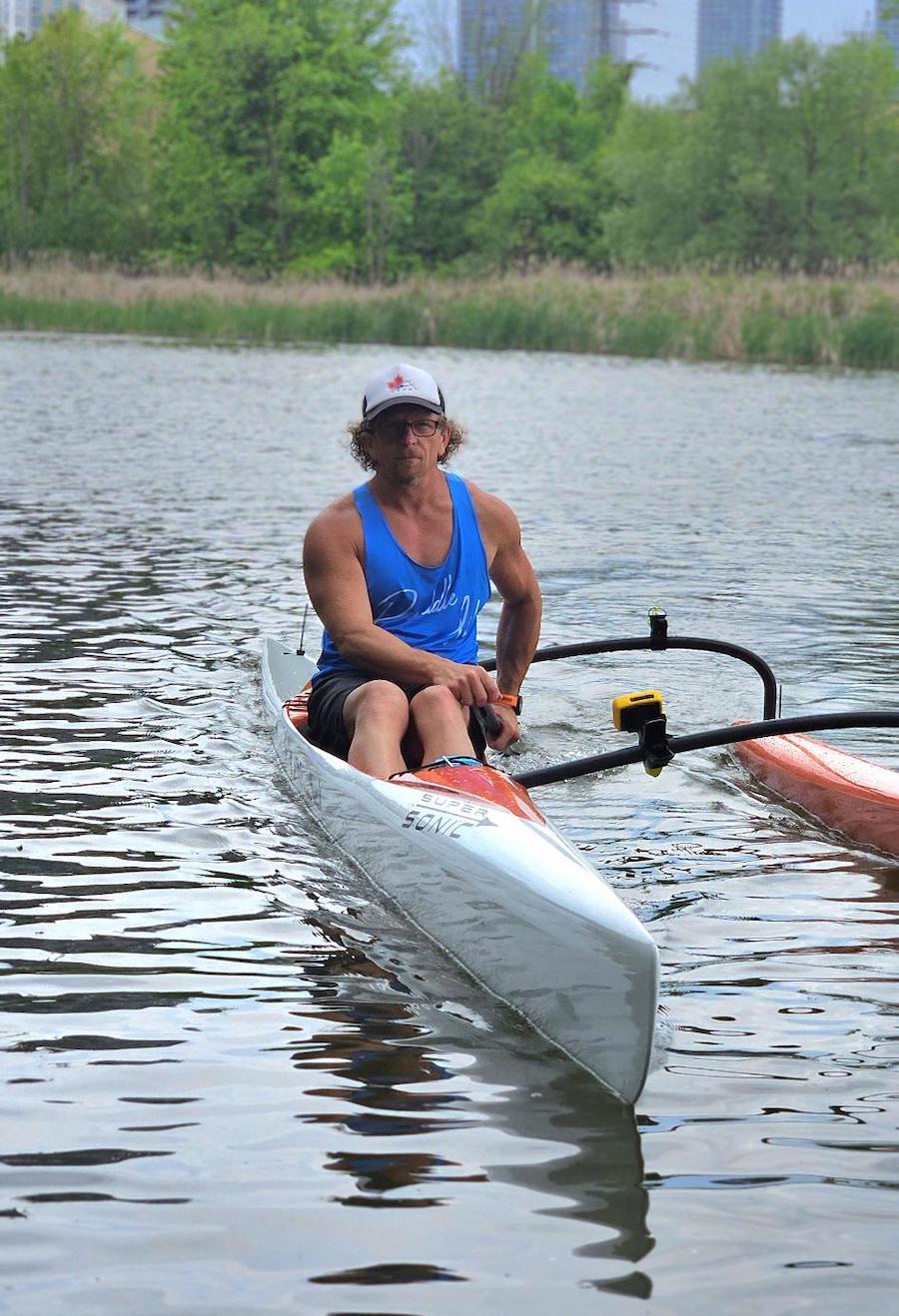
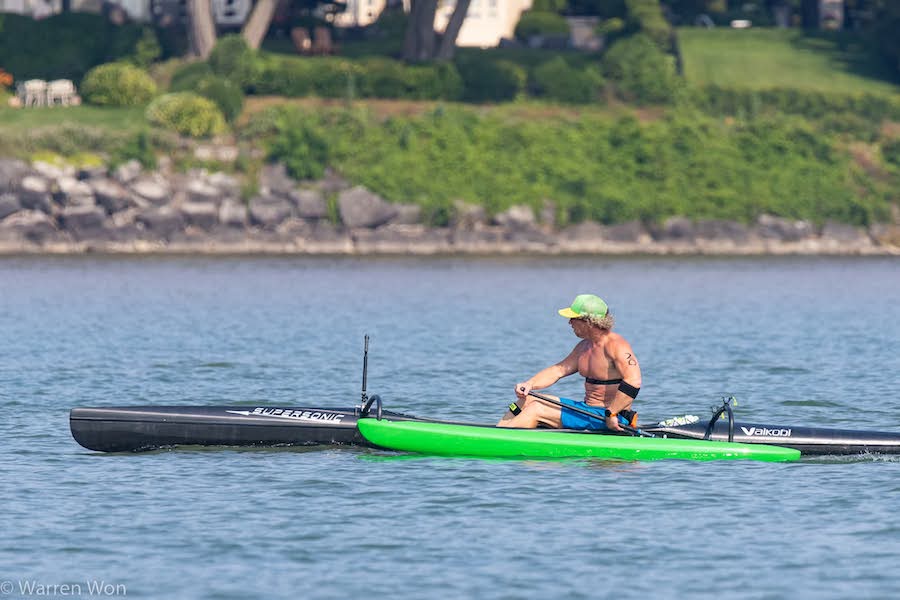
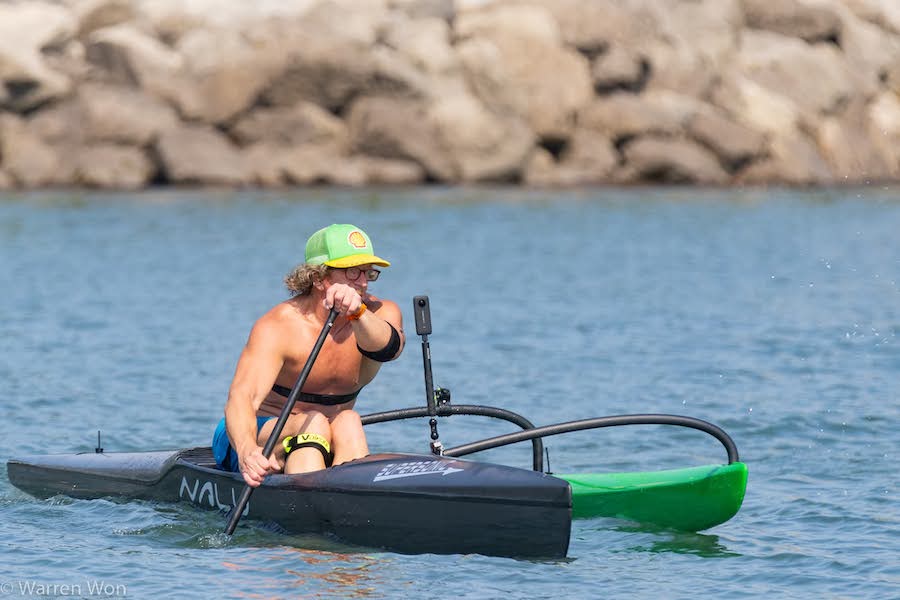
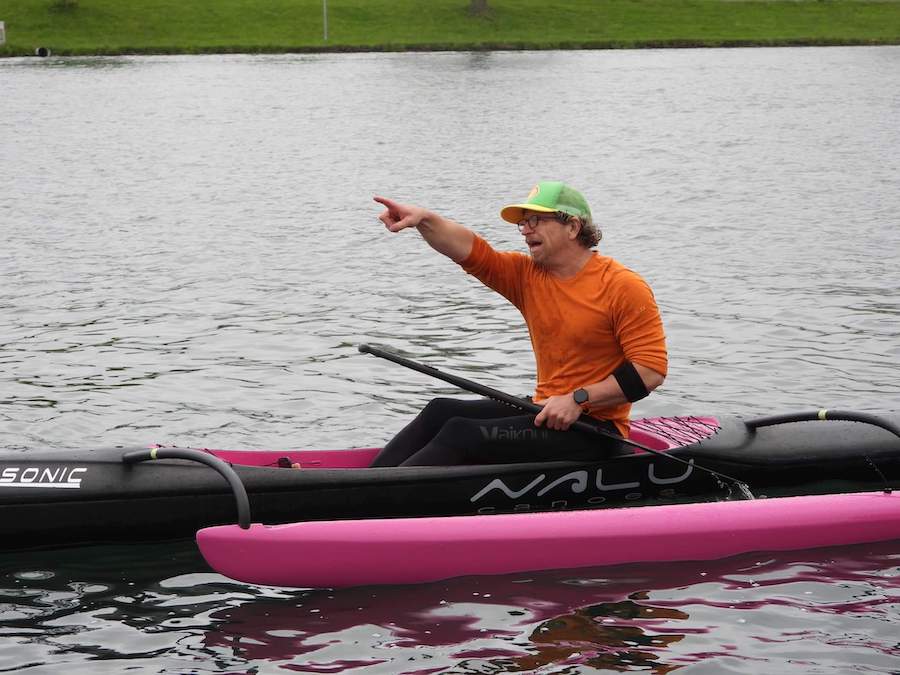
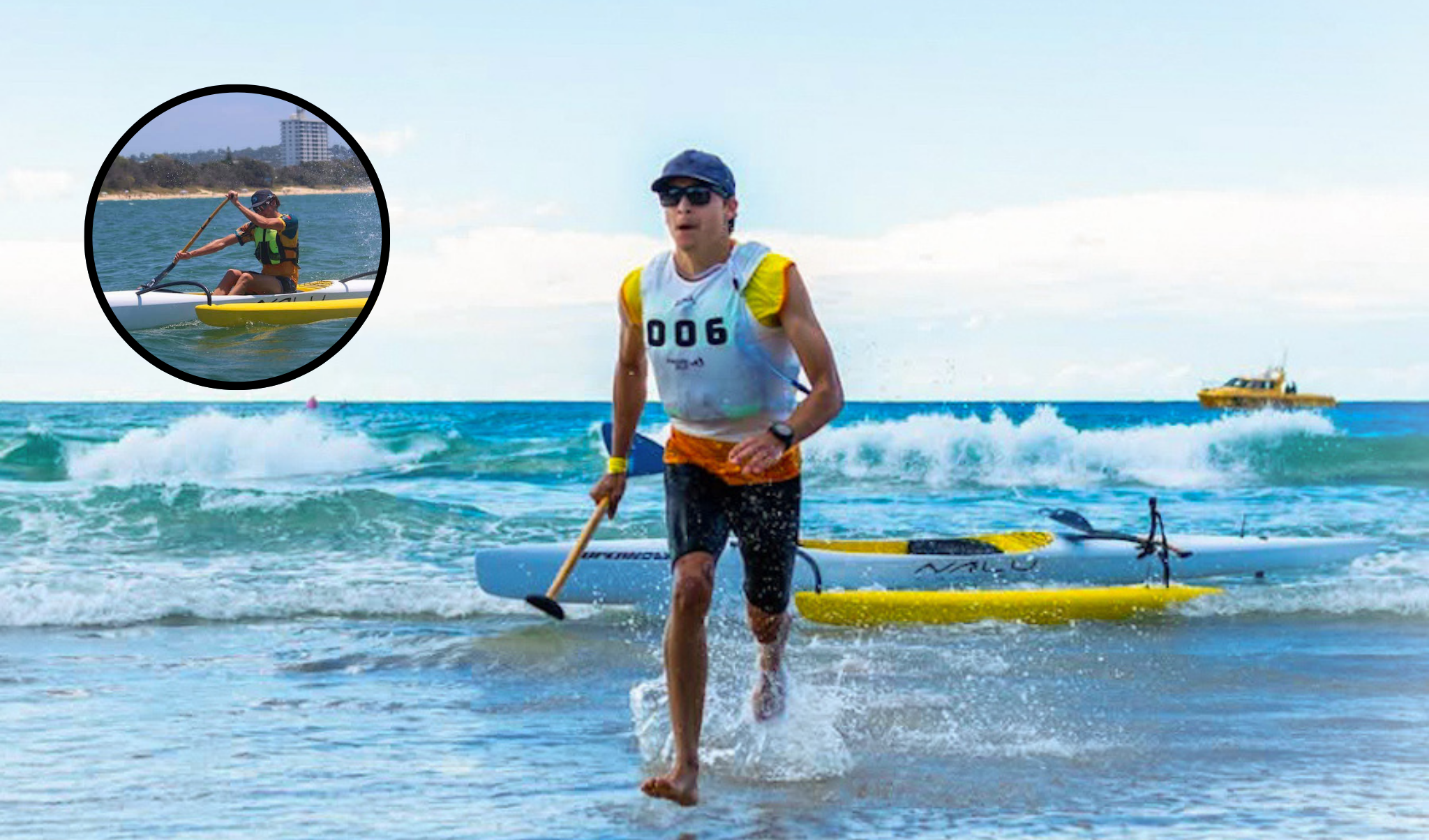
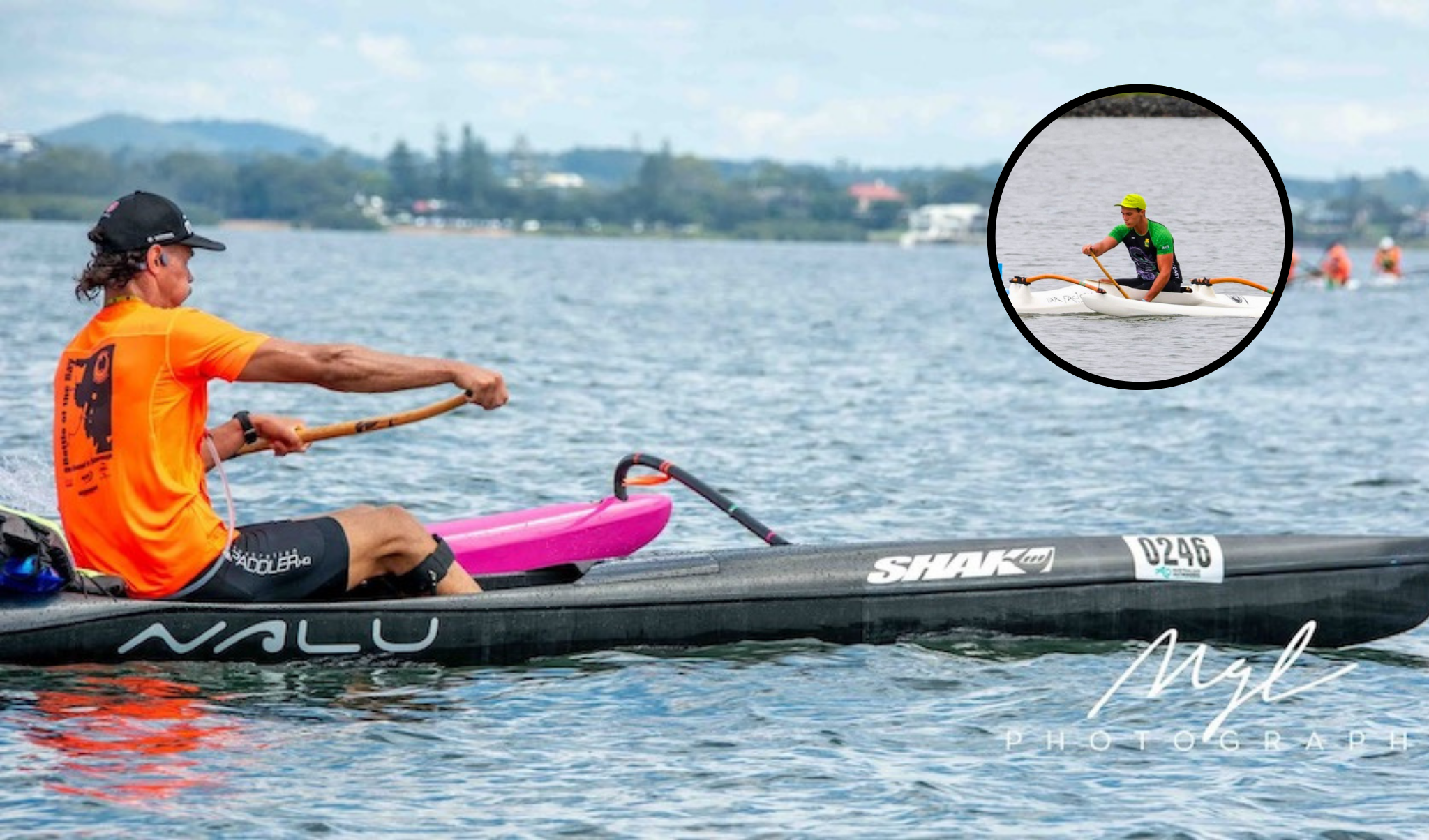
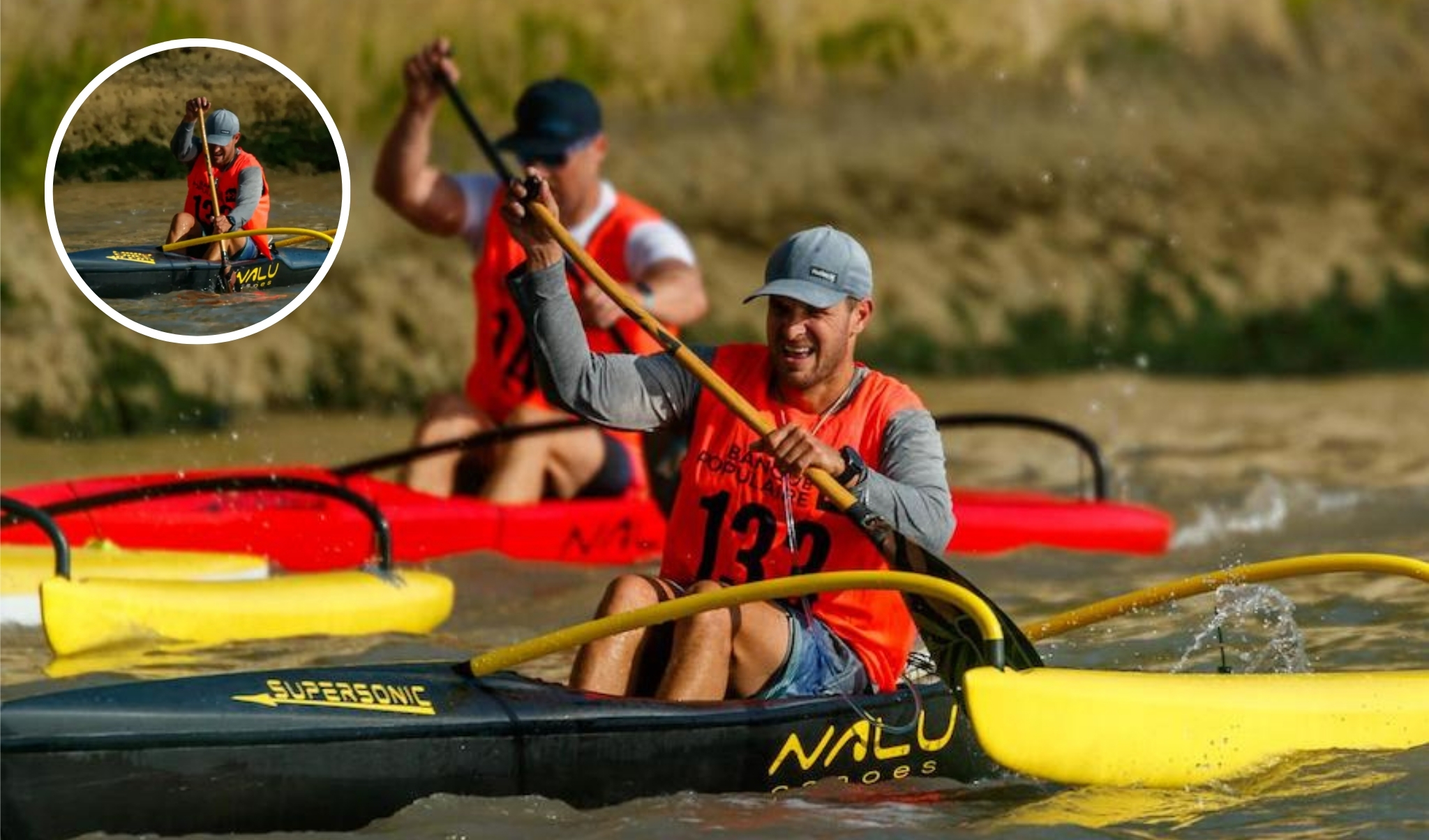
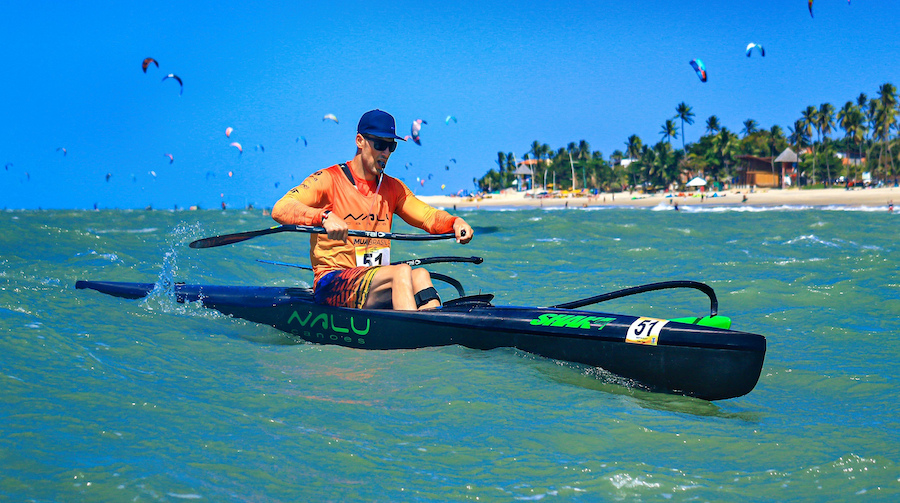
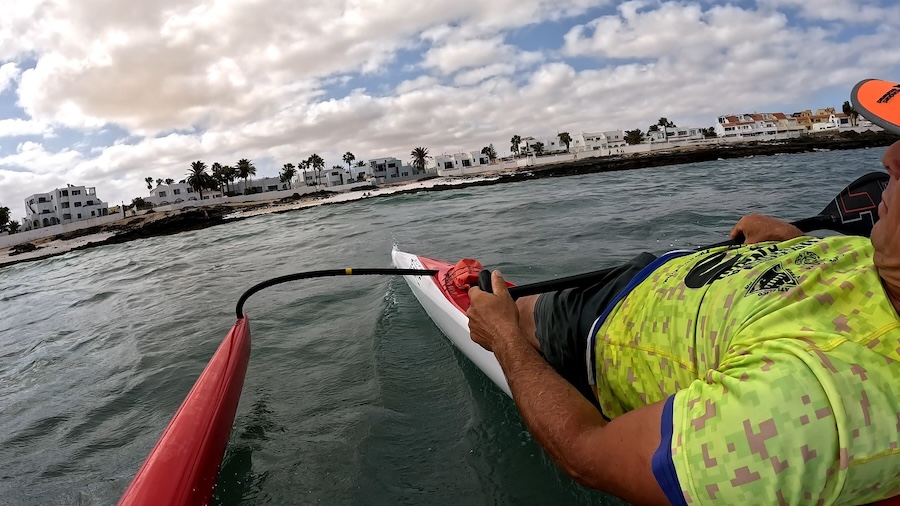
For more than 25 years, Jeff Holubeshen, a Nalu Canoes athlete, has been moving across water with the same quiet obsession: finding efficiency in every stroke. Based in Toronto, his journey has taken him through almost every form of paddle sport: dragon boat, sprint canoe, outrigger canoe, and stand-up paddle. Each one adding another layer to how he understands movement on the water. Over time, paddling stopped being just a sport. It became a way of seeing, feeling, and interpreting flow, timing, and connection. That perspective naturally extended beyond the water, with photography becoming another way for Jeff to capture the rhythm of racing and the moments that define it.
Today, his experience sits at the intersection of performance and storytelling, shaped by decades spent both inside the boat and behind the lens. It is from this perspective that he reflects on paddling, progression, and the canoes that bring those ideas to life.
To start, could you briefly introduce yourself and tell us about your background in paddle sports and how you got involved in the scene in Canada?
Hi, I’m Jeff Holubeshen, a paddler and photographer from Toronto. I’ve been paddling for more than 25 years, and I also run the Paddler Life Instagram page. I started paddling through a corporate dragon boat team, which was a very common entry point in Canada. What started as something social quickly became competitive, and that opened the door to outrigger canoe and stand-up paddling. I even owned a sprint canoe at one point. That progression really shaped the way I see paddling today. Different boats, same fundamentals: timing, efficiency, and connection to the water. I’ve always been fascinated by understanding how to improve. Early on, I started bringing a camera to races. Being inside the sport meant I understood which moments mattered and what angles told the story best. Over time, paddling and photography became completely connected for me: one keeps me in the sport, the other allows me to share its story. Today, I spend more of my time paddling outrigger, while still coaching dragon boat and shooting photography across different disciplines.
You’re involved in multiple disciplines, including outrigger canoeing, SUP, and dragon boat. What draws you to this versatility?
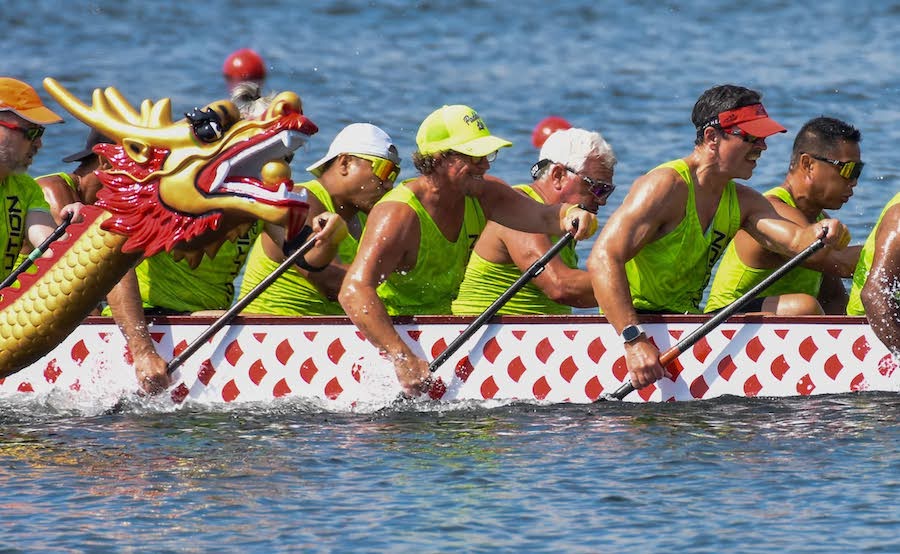
I see outrigger, SUP, and dragon boat as the same sport expressed in different ways. At the core, it’s always about moving a hull efficiently through the water. Timing, connection, and power transfer don’t change whether you’re in an OC1 or a 20-person dragon boat crew. Outrigger strips everything down. There is nowhere to hide, it’s just you, your stroke, and the water. Dragon boat amplifies everything because small mistakes are multiplied across the crew. What I love about both is that you can’t fake efficiency. The boat immediately tells you if your technique is working.
I can bring the precision and feel from outrigger into dragon boat, and bring the intensity and power from dragon boat back into outrigger. It’s not about doing more sports, it’s about understanding paddling at a deeper level.
Dragon boat has a strong presence in Canada, especially among women. Why do you think the sport is so popular?
Canada is a country of lakes, and most areas don’t have big ocean conditions. For many paddlers, flatwater disciplines like dragon boat, sprint canoe, and kayak have always been very accessible options.
Dragon boat grew because it is incredibly welcoming. You show up, get in a boat, and immediately become part of a team. That sense of community and belonging is one of the sport’s biggest strengths. Canadian women’s crews have also played a huge role. The depth, technical level, and competitiveness of women’s dragon boat in Canada are extremely high, and they have pushed the overall standard of the sport. Another key factor has been the development of festival rental fleets, allowing organizers to run events without every team needing to own its own boat.
I also see dragon boat as a gateway into the wider paddling world. It gives people strong foundations in timing, power, and water feel, and many athletes naturally move into outrigger, SUP, or other disciplines.
How would you introduce Nalu and explain how its canoes fit different paddlers and conditions?
I would describe Nalu canoes as boats that offer a great balance between speed, stability, and feel on the water. They are efficient without feeling unpredictable, and they remain reliable when conditions become challenging.
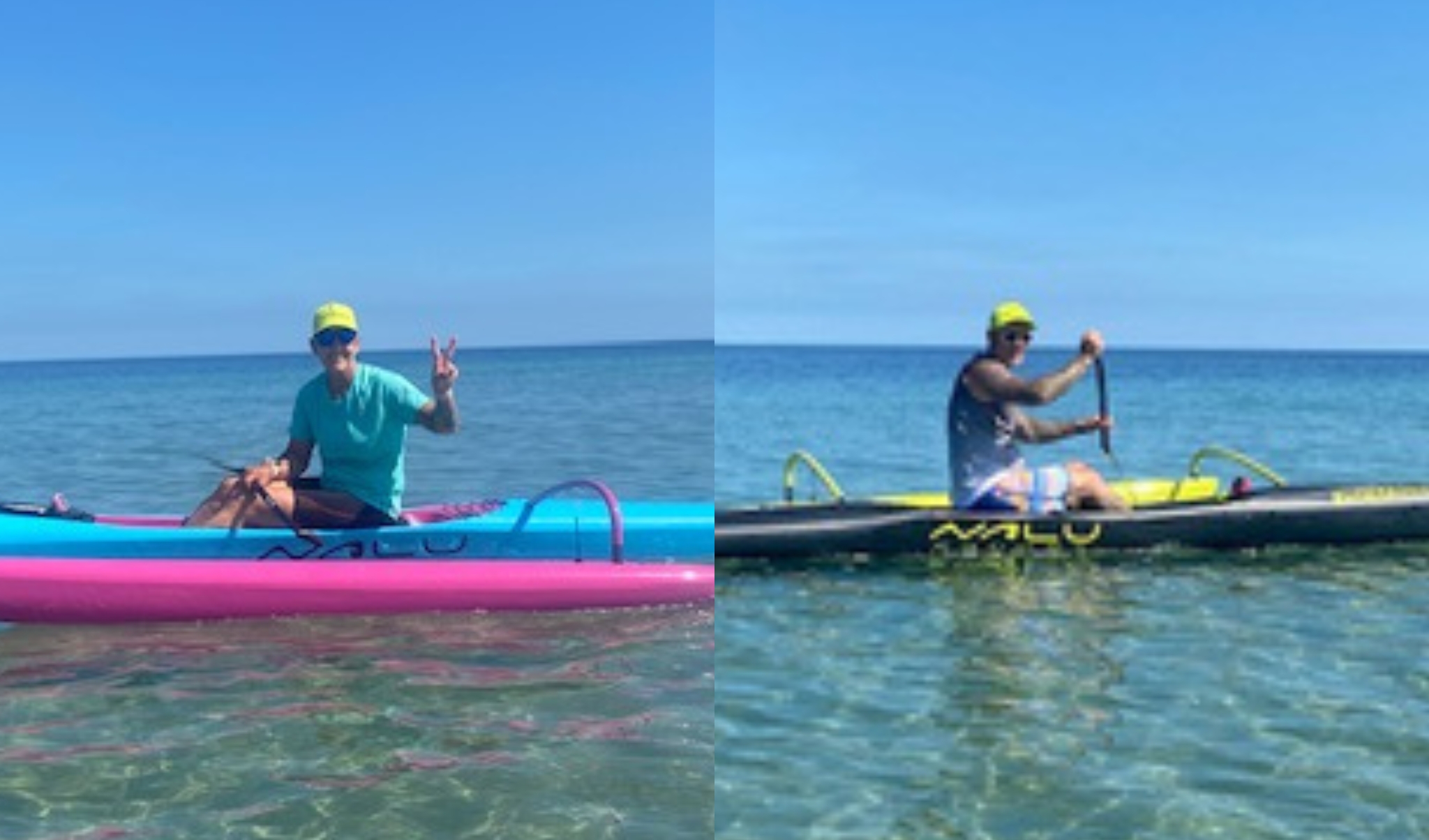
My naked carbon Supersonic is a great example. It’s extremely light, accelerates quickly, carries speed well, and responds instantly to changes in stroke rate and power. In downwind conditions, it’s a really fun canoe. At the same time, it still feels controlled enough that you can find your rhythm without constantly correcting. I recently started paddling the smaller Nalu SuperNova. Even though it’s designed for smaller paddlers, I still find it fast, responsive, and enjoyable despite being above the suggested weight range. Overall, I think Nalu’s strength is that the range doesn’t feel like completely different worlds, you’re choosing the balance of speed, stability, and conditions that matches your style of paddling.
When choosing a canoe, what are the most important things paddlers should consider, and how does NALU help them find the right fit?
When choosing a canoe, there are many factors to consider, but one of the most important is finding a boat that you feel comfortable in and that matches the conditions you’ll be paddling most often. The lineup has been designed to suit a wide range of paddlers and conditions while keeping the selection simple and accessible.
The Shaka is built for bigger water and more challenging conditions, the Supersonic is an excellent all-around canoe, and my personal favourite right now, the SuperNova, features a lower-volume design that feels incredibly responsive and fun on the water.
One thing all three OC1s share is their stability and predictability. Whenever I’m paddling one of these canoes, I feel completely comfortable and confident. I don’t have to worry about how the boat will react, which allows me to focus fully on my paddling and make the most of the conditions.
Fine-tuning the setup with different rudder options can make them even more efficient and personalized.
They are also suitable for paddlers of all experience levels. Whether you’re an experienced OC paddler looking for performance or a dragon boat athlete transitioning into OC1, there is a model that can match your needs.
They are approachable, confidence-inspiring canoes that allow paddlers to progress and enjoy the sport from day one. Another thing that stands out is how light and efficient they are. My naked carbon Supersonic is incredibly responsive on the water, accelerates easily, and makes every paddle session more enjoyable.
How has the Canadian racing scene evolved, and what makes it unique?
Canada is unique because it’s a huge country with a relatively small population. Cities are spread out, so historically many paddlers stayed within their regional communities.
The outrigger scene has changed a lot in recent years. COVID created a major shift, because many dragon boat and OC6 athletes turned to OC1 paddling when team boats weren’t possible. Since then, the outrigger community has grown significantly. Another major factor is the Canadian climate. Our main paddling season is relatively short, from April to October. Many athletes continue training year-round through indoor options like paddle machines or ergometers.
To discover more about NALU canoes and their latest updates, follow them on Instagram and Facebook
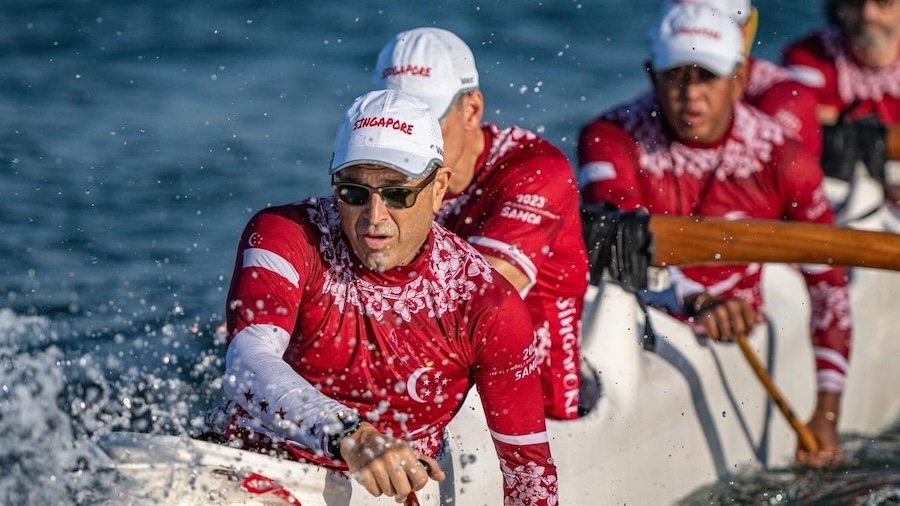
Based in Singapore and born from a genuine passion for paddling, SKILD is building a name for itself with technical apparel designed specifically for life on the water. At the heart of the brand is co-founder Christoph Renger, an active Dragon boat, OC and Va’a paddler who understands first-hand the demands of long hours in […]
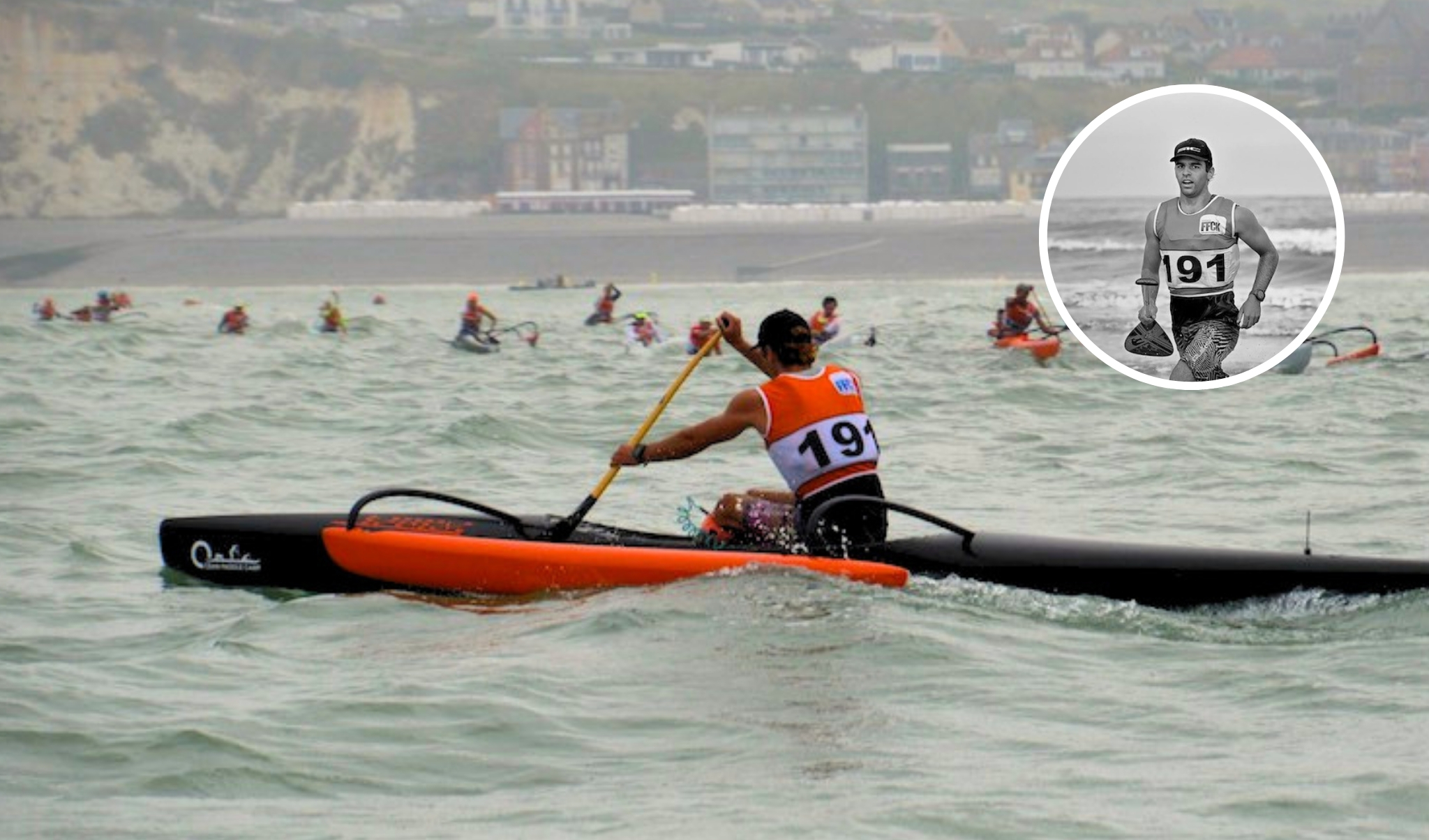
At just 18 years old, Louka Brard has already established himself as one of the brightest young talents in French Ocean Racing. The Breton paddler delivered an outstanding performance at the 2026 French Championships, claiming four national titles and one bronze medal across five different disciplines. A passionate waterman and first-year sports science student in […]
The German Open Ocean Championship, held during the Hawaiian Sports Festival, brought together some of Germany’s top outrigger canoe paddlers for a demanding day on the water. While many expected classic downwind conditions, Mother Nature had other plans. Instead of strong winds and ocean runners, the athletes faced intense heat, flat water, and a race […]
Merlin Grellier-Besancon is one of the rising young names in the world of outrigger canoe racing, a demanding ocean sport that combines endurance, power, technique, and the ability to read ever-changing conditions at sea. Competing across disciplines such as OC1, OC6, and V1, he has quickly built a reputation as one of the most promising […]
Australia has always had a particular relationship with the ocean. For Matt and Josh Walsh, that relationship started early. Growing up as brothers in a sporting family, they tried nearly everything, and excelled at most of it. But it is on the water, aboard their Nalu canoes, that the two brothers found something that stuck. […]
Passionate about the ocean and driven by a strong competitive spirit, this French paddler Thomas Buton and Nalu’s Canoes team rider has built an impressive journey in outrigger canoeing since discovering the sport in 2010. After many years playing American football, he turned to the water in search of a new challenge and quickly fell […]
In Brazil, where the ocean shapes both culture and identity, a new era of paddlesports is rising, and few embody this movement as powerfully as Ulisses Calenti. Entrepreneur, producer, and dedicated Va’a athlete, Ulisses has spent more than a decade building bridges between passion, performance, and community. From São Paulo to the windswept coastline of […]
This season has been a exciting one for Marton Buday, founder and athlete of NALU Canoes. Dividing his time between racing and developing the brand, Márton continues to build a connection between performance on the water and design in the workshop. His approach remains consistent: test, refine, and apply what he learns in competition to […]
Aux confins de l’Atlantique, sur l’île sauvage de Fuerteventura, se cache une aventure unique où passion et océan ne font qu’un. Depuis 2017, Philippe Horowitz a donné vie à MAEVA Kayak, une structure pionnière qui marie la tradition de la pirogue polynésienne et la modernité du surfski. Ancien compétiteur et éducateur formé en eaux vives […]