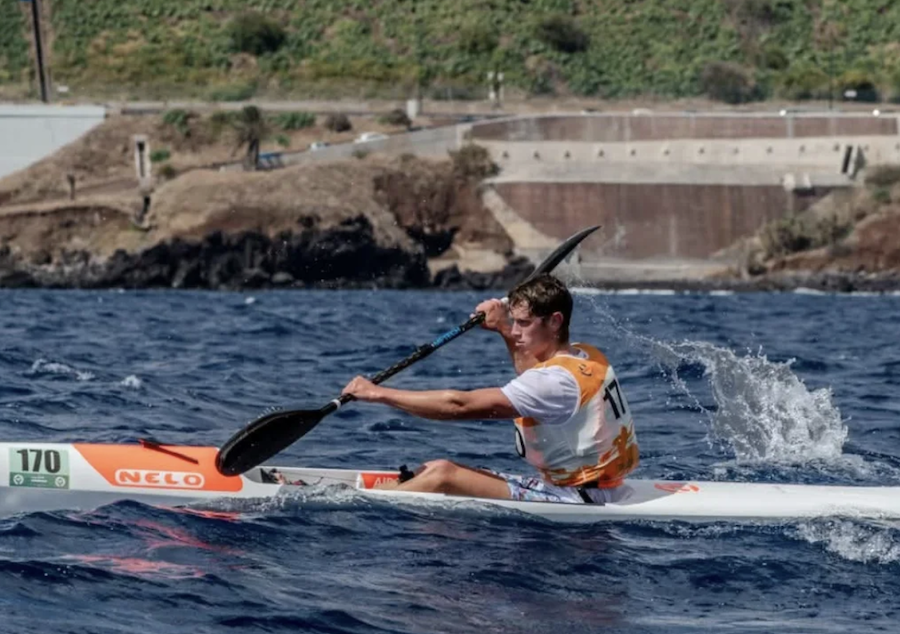
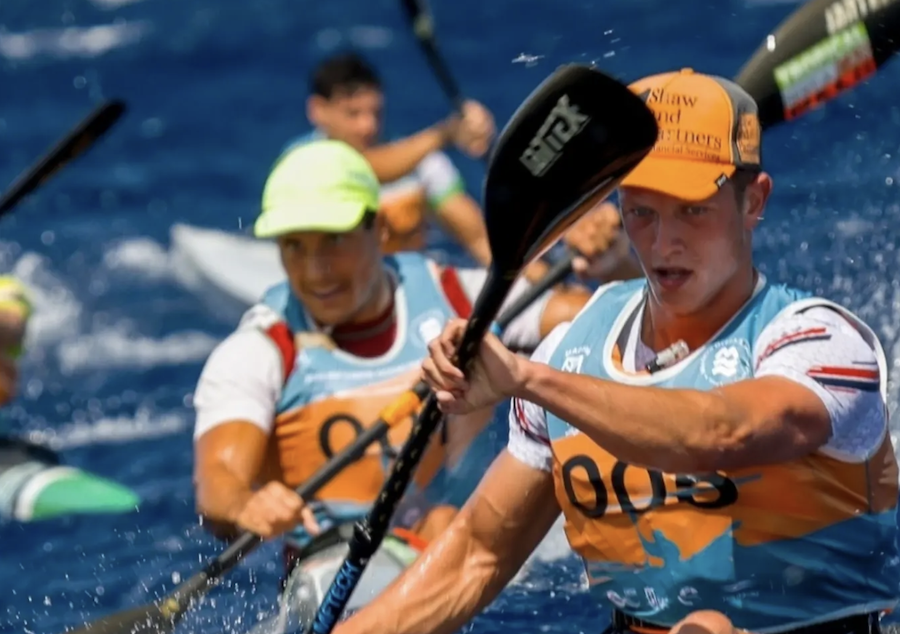
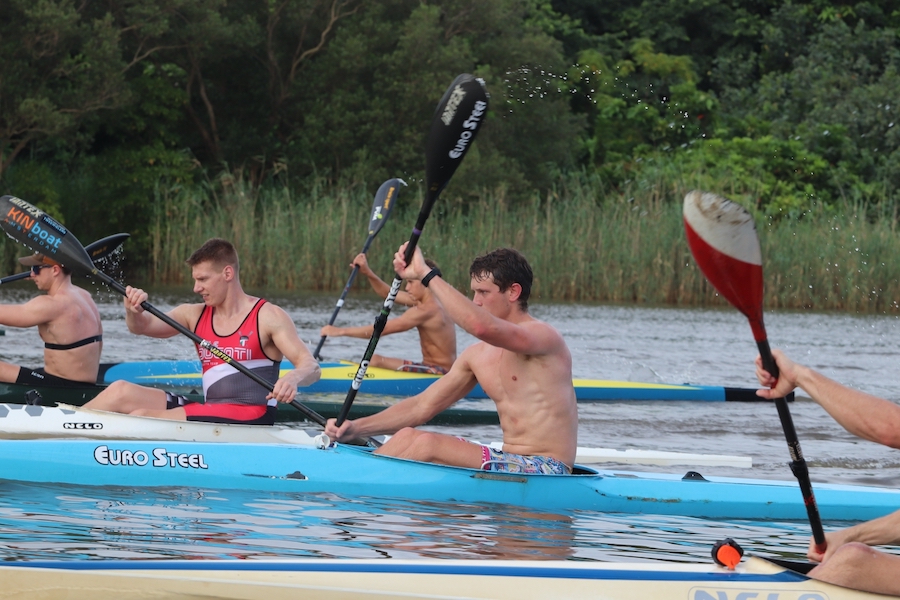
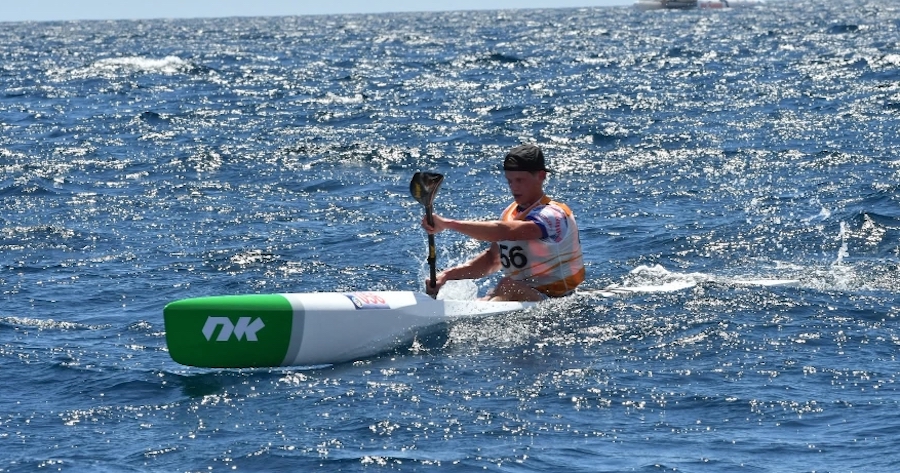
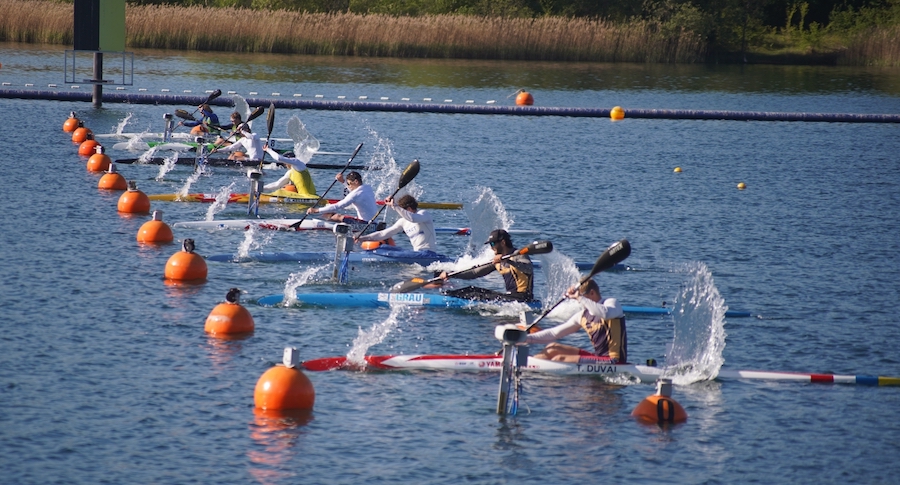
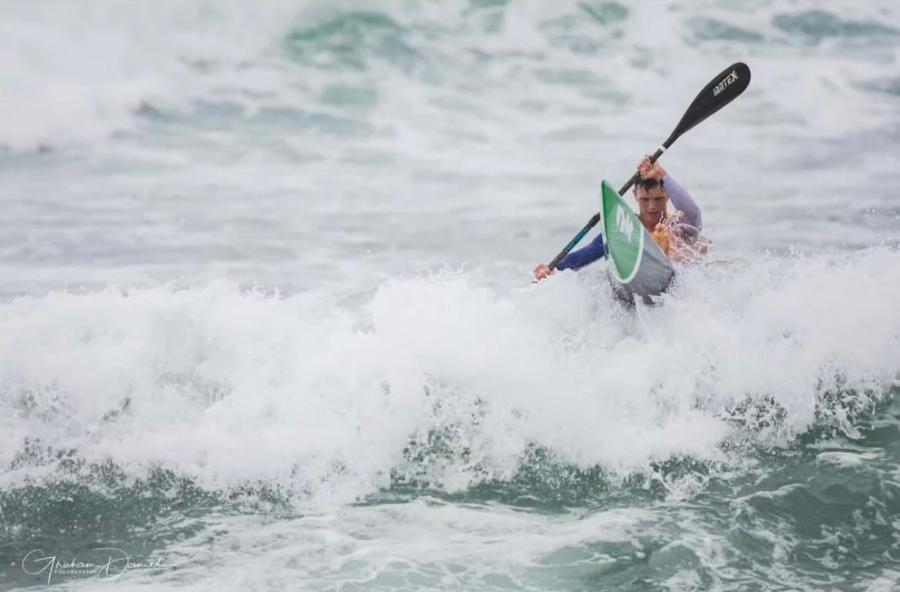
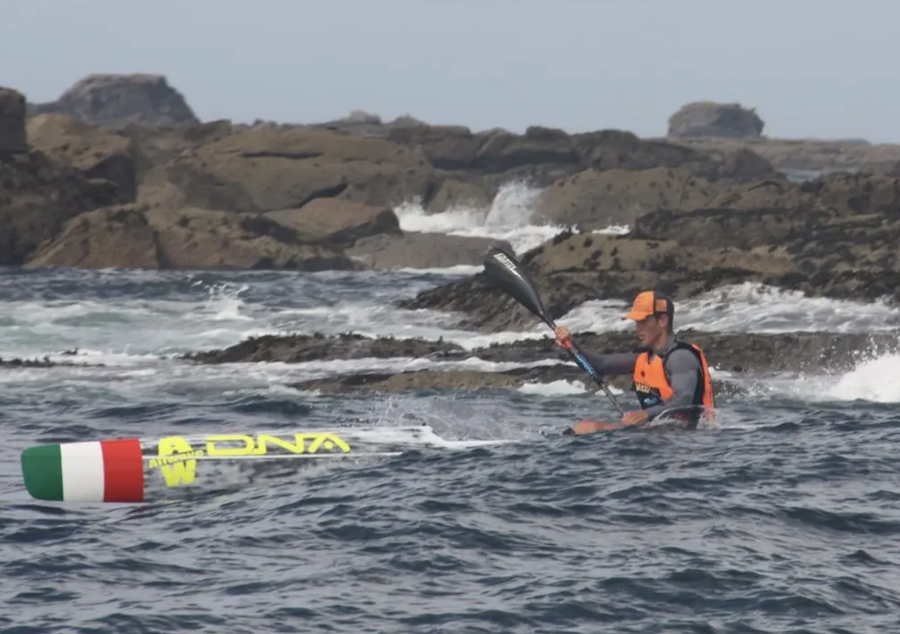
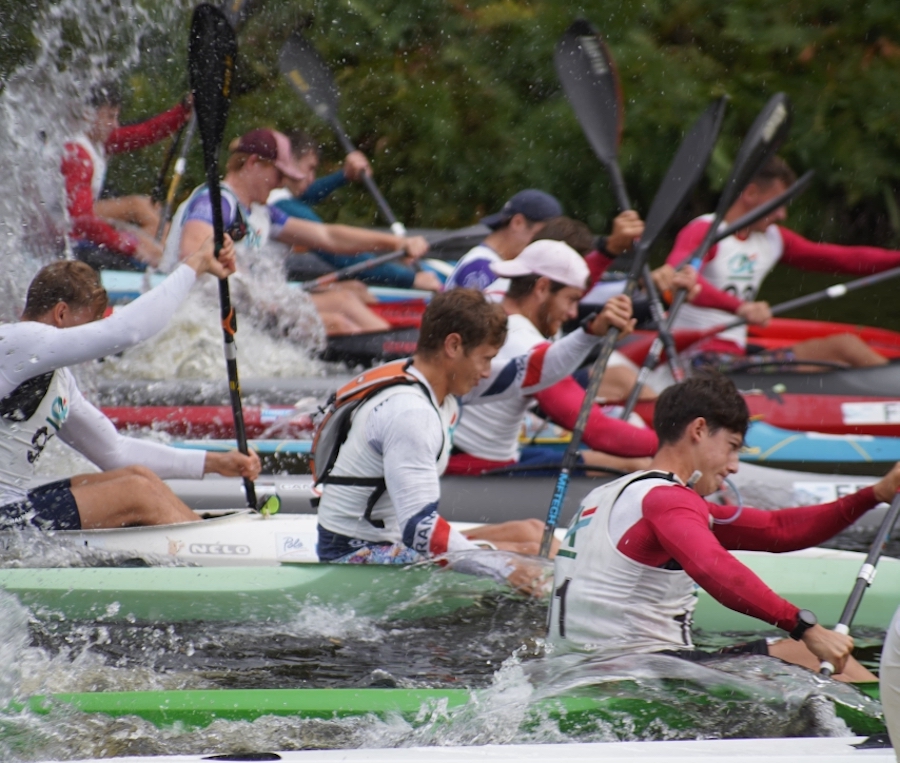
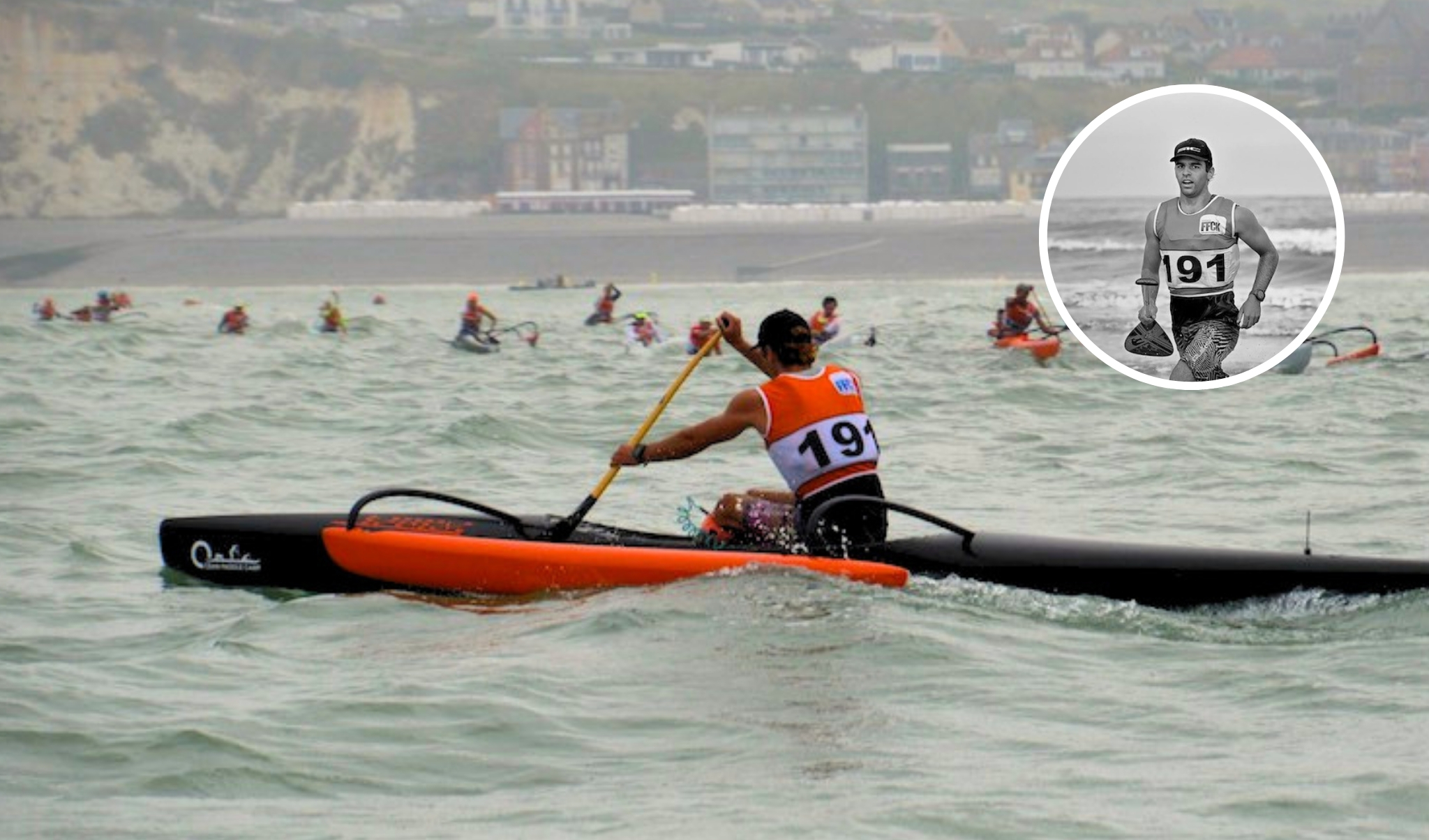
From the flat waters of sprint kayaking to the demanding conditions of international surfski racing, Marin lanée has built an impressive career by successfully combining two disciplines that rarely coexist at such a high level. A double European junior champion in sprint, junior vice world champion in Ocean Racing, and more recently bronze medallist at the 2025 Ocean Racing World Championships in Durban, the French paddler continues to make steady progress on the international stage. Alongside his sporting ambitions, he is also pursuing studies in physics and materials engineering, balancing elite sport with a demanding academic path. Fresh from a second-place finish at the opening stage of the Ocean Racing World Cup in Madeira, Marin reflects on his journey, his progression, and his goals for the season ahead.
Hi Marin, can you introduce yourself and explain what you are currently doing, both on a sporting and personal level?
I’m a paddler competing mainly in kayak sprint, where I’m part of a federal training structure. Alongside that, I also train and race in surfski whenever I have time, especially during school breaks, as I’ve always kept a strong connection with ocean paddling. On a personal level, I’m currently studying physics and materials engineering. So I’m balancing a high-level sporting career with demanding academic studies, which keeps my schedule very full but also very structured.
Can you tell us how you started in surfski, and detail the different training structures you have been part of up to today?
I first started paddling in a kayak club while I was in Chile. At that time, I was mainly focused on flatwater paddling. I only really got into surfski when I moved back to France, where ocean paddling is much more developed and I joined a club in Cherbourg. Very quickly, I understood that if I wanted a more structured training environment and higher-level sessions, I needed to move toward Olympic sprint distances. That’s how I started sprint kayaking in high school. I was lucky to find a coach who was open-minded and accepted an athlete with very little sprint background, but who saw the potential to develop both sprint and surfski together. Later, I joined the U23 federal training structure, which is still where I train today alongside my club environment. This mix between club paddling, federal structure, and ocean paddling has really shaped my development as an athlete.
You recently finished 2nd at the Ocean Racing World Cup in Madeira. How did you experience the race and conditions?
Madeira is always a special place to race because conditions can change a lot. During the race, the wind started building progressively, and by the end we had strong ocean conditions, especially around the headlands where the wind direction creates very tactical sections. I was racing on the same setup as usual, and I felt good throughout the race. It was also really motivating to compete with Hank McGregor, who is one of the best athletes in the world. Being able to challenge him for a big part of the race was a great experience.
The offseason is a key period. How do you balance studies, training camps, and daily workload?
The offseason is actually the busiest part of the year for me. A typical day starts early with university, then training, then studying, and often another training session in the afternoon. It’s a constant balance between sport and studies. But I like having this dual project. It gives me structure outside of paddling and helps me stay mentally balanced. My university is quite flexible, so I can miss some lectures for training camps and competitions, as long as I stay on top of my exams. That means I usually have to catch up intensively when I return.
In 2020, you won three French championship titles (200 m, 1,000 m, and 15 km). What memories do you have of these performances?
These races feel like a long time ago, but they were very important for me. They were the moment I realized that I could actually perform at a high level in this new sport. It also gave me confidence that the time I had spent switching into sprint kayaking wasn’t wasted. My early months in sprint were quite chaotic, so those results were very reassuring and motivating for what came next.
In June 2021, you became double European junior champion over 1,000 m. How did you experience that race?
That race was a major milestone for me. I was very happy with the performance and the way I executed it. It was also a confirmation that I was progressing well in sprint kayaking, especially in the K1 1000m, which is a very tactical and demanding event. Winning those European junior titles gave me a lot of confidence and showed me that I could compete successfully at the international level.
In October 2022, you became junior vice world champion in Ocean Racing in Portugal. How did you approach this 20 km race, and what were the main challenges?
That season was quite different because I had spent a full year focused on K1 1000m sprint racing before switching back to ocean racing. Mentally, I was in a good place because I had a strong sprint season, so I approached the race with the mindset of enjoying the effort and reconnecting with surfski racing. The main challenge was adapting again to a 20 km ocean race after a year of sprint-specific training, but I think that combination ultimately helped me perform well.
In October 2025, you won bronze in SS1 U23 at the Ocean Racing World Championships in Durban. How do you assess your progression?
I feel like my progression has been steady and consistent, especially over the last few years. The race in Durban was a good example of that. I wasn’t far from the front, and I could see that I’m gradually closing the gap with the best athletes in the world. I also spent an entire summer training in South Africa, mostly with Hamish, which really helped me push my limits both physically and mentally. That period played a very important role in my development.
In surfski, equipment plays a key role in performance. Can you present your current setup and explain how it suits your style?
I’m currently paddling a Nelo 640 with a Braca XI paddle, using a 720 cm² blade. The boat feels quite close to a sprint kayak in terms of stability and efficiency. You can really push hard for long periods, and it remains comfortable even in rough conditions. It’s also a very versatile and fast ski, which is important in ocean racing where conditions can change significantly. The paddle allows me to change rhythm very quickly, which is essential in racing situations. I also use a softer shaft, which suits my technique and helps me maintain efficiency over long distances.
What are your main goals for the 2026 season, and how do you structure your training?
My main goals for 2026 are the Sprint European Championships and the Sprint World Championships. After that, I’d like to return to ocean racing and the Surfski World Cup circuit, both for enjoyment and to gain more racing experience before fully switching my focus back to surfski. The second part of my season will be dedicated to preparing for major ocean racing events, including the European Championships in Brest and the World Championships in Alicante. My training is structured around a combination of federal sprint sessions, surfski-specific work whenever possible, and maintaining a consistent balance with my academic commitments.
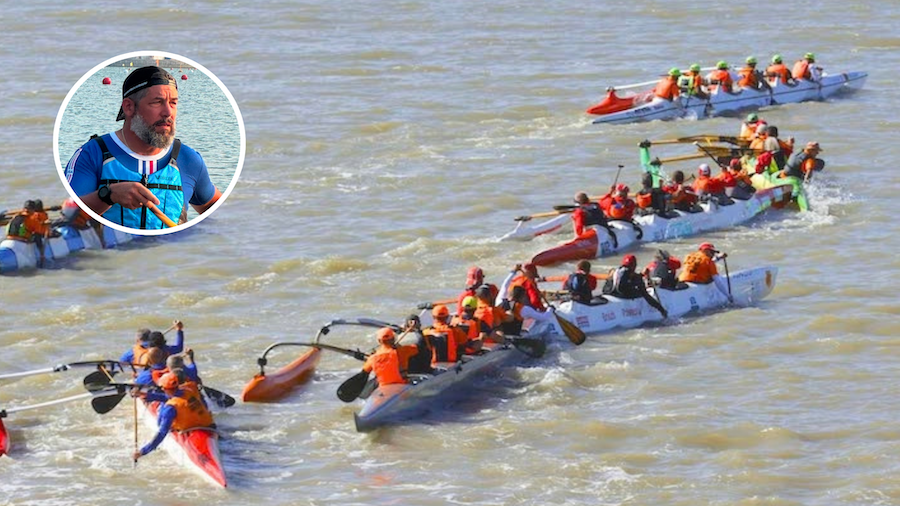
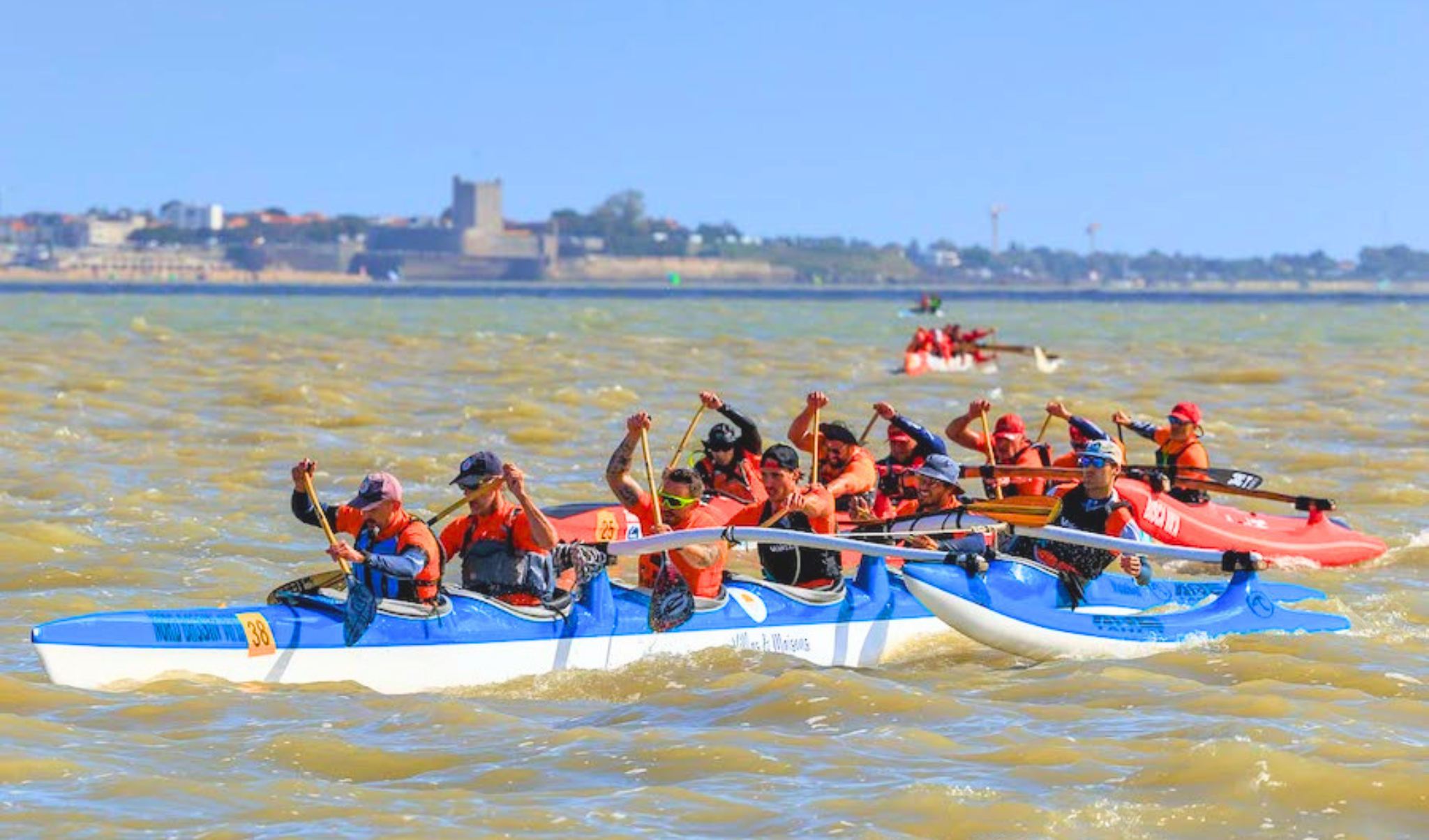
Le Fort Boyard Défi Va’a s’apprête une nouvelle fois à faire vibrer les rameurs et le public à Fouras. Malgré l’annulation du Fort Boyard Challenge, Rochefort Océan Va’a a fait le choix de maintenir la course V6 ce 26 et 27 Septembre 2026 et de faire vivre cette journée autour du Va’a, du partage et […]
Nicolas Lambert, encadrant du club du Grau-du-Roi Terre de Camargue, s’est construit une solide réputation dans le kayak, notamment en surfski, sa spécialité sur les longues distances. Depuis plusieurs années, le Français s’investit également dans le va’a, avec la même exigence. Après les championnats du monde de longue distance à Rio en 2025, puis les […]
Alors que le Fort Boyard Challenge devait une nouvelle fois réunir les passionnés de glisse et de Va’a à Fouras, l’édition 2026 a finalement dû être annulée. Pourtant, pas question pour Rochefort Océan Va’a de laisser ce rendez-vous disparaître du calendrier. Face à cette situation, le club a choisi de relever un nouveau défi : […]
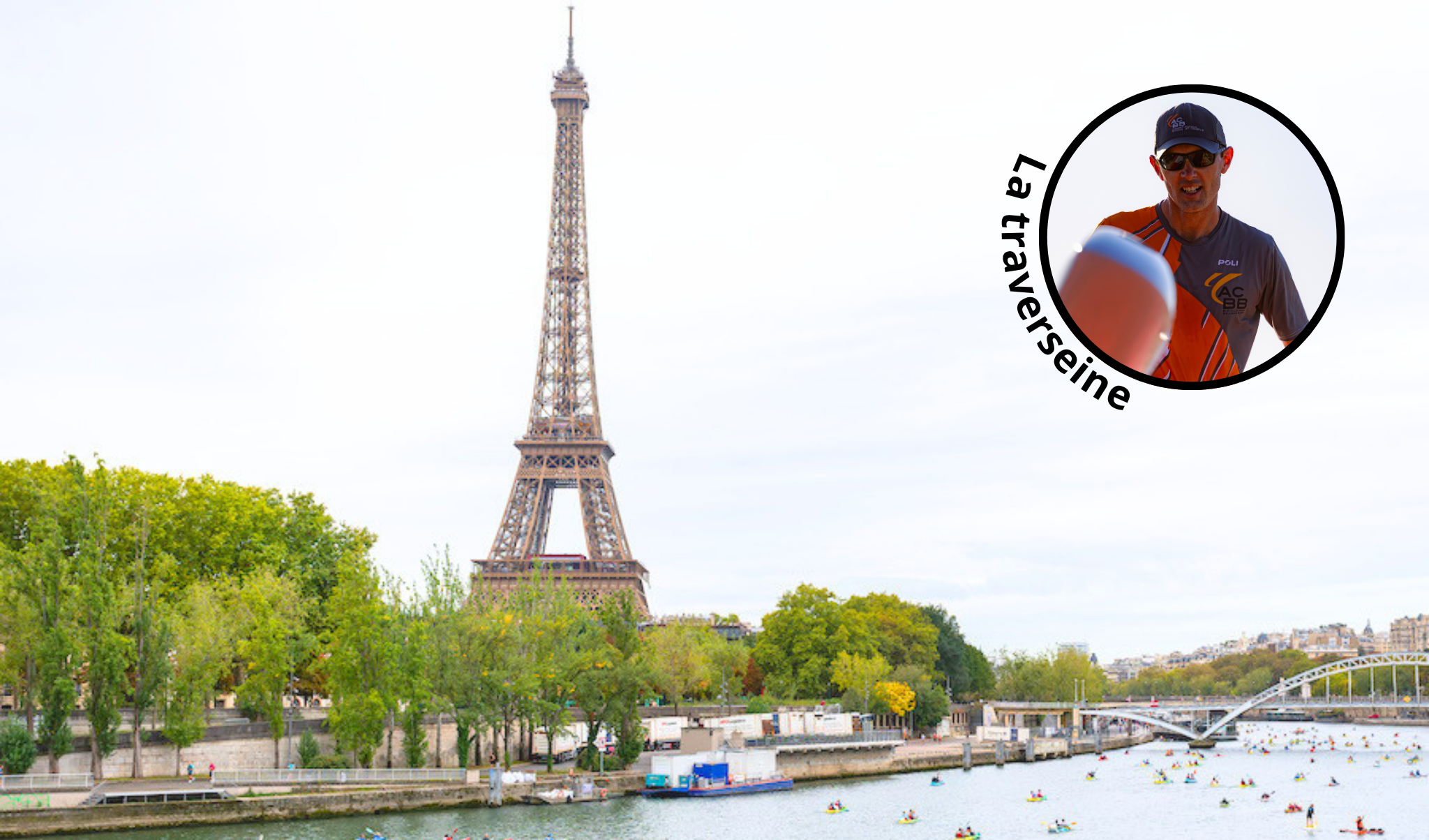
Chaque année, la Seine devient le terrain de jeu de centaines de passionnés de sports de pagaie à l’occasion de La TraverSeine. Au cœur de Paris, kayaks, canoës, SUP et pirogues se retrouvent pour une traversée unique, offrant un autre regard sur la capitale et sur un fleuve qui a longtemps été associé à d’autres […]
Two years after the Azores, Europe’s best ocean paddlers return to battle this time on the Finistere coast in France for the continental crowns. The 2024 championships saw France’s Hector Henot claim his first European Open title, while Spain’s Judit Vergès Xifra secured her third. European titles will also be awarded across Junior, U23 and […]
From discovering paddling at the age of 14 in Brest to competing on the international circuit, becoming a mother, and eventually returning to racing, Angie Leroux’s journey has always been closely connected to the ocean. Now, 22 years after first stepping into a kayak in Brest, she is preparing to compete at the European Championships […]
Du 26 au 30 août prochains, Brest accueillera les Championnats d’Europe d’Ocean Racing, un rendez-vous majeur qui réunira les meilleurs spécialistes européens de surfski, mais aussi de pirogue océanique en OC1, OC2 et V6. Organisé par le Canoë Kayak Club Brestois (CKCB), l’événement ambitionne de faire rayonner toutes les facettes de cette discipline spectaculaire, tout […]
At just 18 years old, Louka Brard has already established himself as one of the brightest young talents in French Ocean Racing. The Breton paddler delivered an outstanding performance at the 2026 French Championships, claiming four national titles and one bronze medal across five different disciplines. A passionate waterman and first-year sports science student in […]
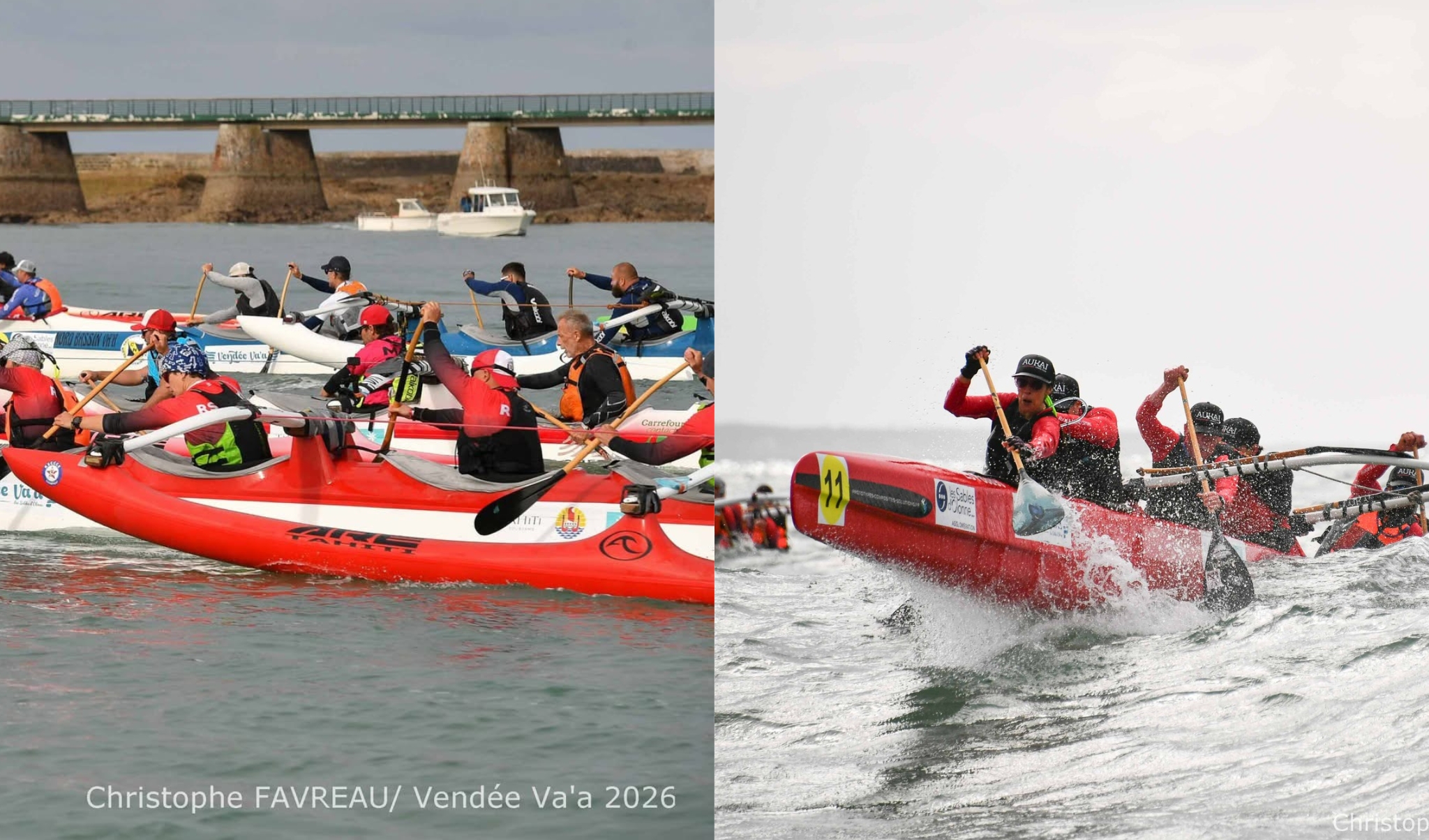
Les Sables d’Olonne ont une nouvelle fois vibré au rythme des coups de pagaie et des chants polynésiens. Du 14 au 16 mai 2026, la 15e édition de la Vendée Va’a a tenu toutes ses promesses : spectacle, intensité et émotions sur l’Atlantique. Jour 1: Baptême du feu sous le vent vendéen Pas question de […]